The following information has been obtained from online searches of Midland Railway (MR) records, newspaper archives, genealogy sites and The Railway Work, Life and Death project run by Portsmouth University. The list of incidents is unlikely to include every mishap, and is perhaps best considered as a sample of the accidents that happened.
The railway opened as an independent company in 1867 but was taken over by the Midland Railway the following year. The Midland railway ceased to exist from 1923 when it became part of the London Midland and Scottish Railway. The railway branched off the Gloucester-Bristol main line at Stonehouse which was a joint station serving both the mainline and the branch. Incidents occurring at or near Stonehouse are listed separately as some occurred on the mainline, rather than on the branch to Nailsworth, or the location of the mishap can’t be determined exactly.
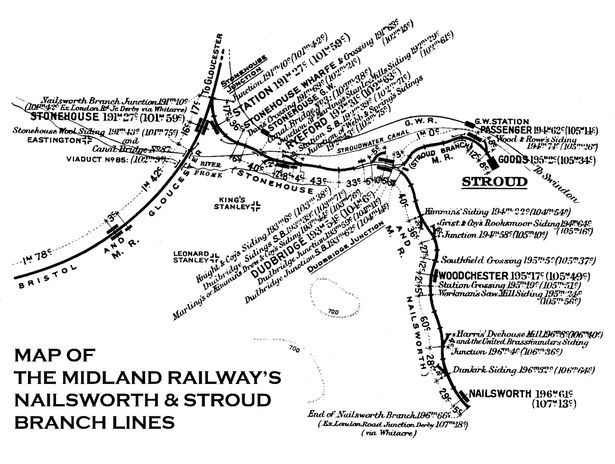
The stations on the branch were Ryeford, Dudbridge, Woodchester and Nailsworth, with a spur at Dudbridge to Stroud (Wallbridge). The Midland Railway appears to have been meticulous in logging, and centrally compiling, records of all incidence, from minor cuts, bruises and sprains to fatalities. The information is compiled here in one place for convenience. Phrases in italics are direct quotes from the entry in the records or other sources. The incidents are presented in chronological order.
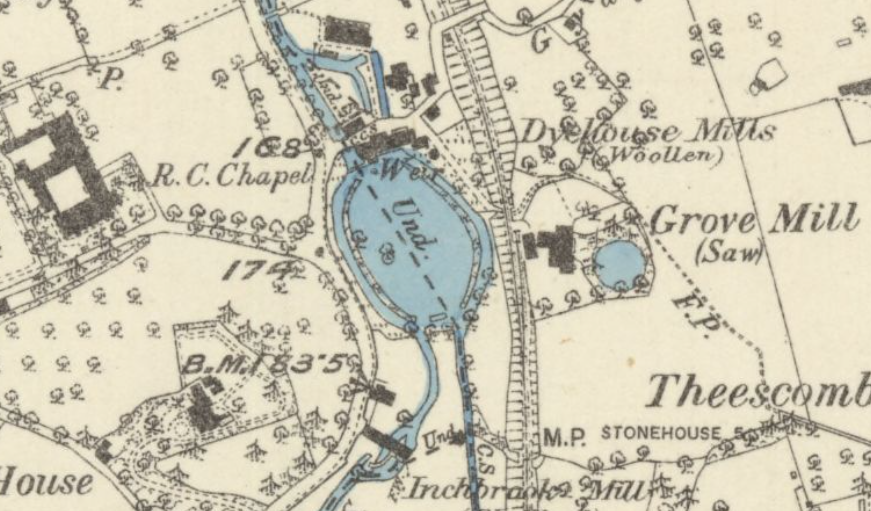
28/10/1869 Derailment at Dyehouse Mills (Newman Henders) – a near miss. The Gloucester Journal on Saturday 30th October, 1869 reported the following:
An accident occurred on the Stonehouse and Nailsworth Railway on Thursday evening, which narrowly escaped being a fatal and disastrous one. At Dyehouse Mills, three quarters of a mile from Nailsworth, a siding has just been made, and the points were left half open. The train which left Nailsworth at 5.25 on Thursday, and which was conveying between 40 and 50 passengers, was thrown off the line by the position of the points. The engine buried itself in the bank, and the carriages came to a stand without being overturned. Fortunately no damage was done to life or limb, although several persons received considerable contusions, and all were greatly frightened. Had the engine not been buried in the ground, it must have run down an embankment into the public road, with inevitably fatal results. A gang of men were sent from Gloucester to remove the disabled engine and train, and were engaged yesterday (Friday) in repairing the torn-up line.
25/10/1871 Fatal Accident at Woodchester. The victim was a local lad John Newth, born at Mincinhampton. On the census taken earlier in the year he was lodging with Elizabeth Birt in Woodchester and was described as an Assistant Porter. The following is the transcript of a report published in the Western Daily Press on Friday, October 27th, 1871:
On Wednesday night the 4.40 p.m. train from Nailsworth having arrived at Woodchester station, and after having dispatched and taken on passengers there went back to the goods department to shunt some goods trucks. Having done this the train then made a start for Dudbridge, when the porter, a highly respected young man, named John Edward Newth, aged 18, son of Mr Enoch Newth, of Dursley, jumped on the step of one of the passenger carriages, on which he rode a distance of nearly 100 yards, when he came to the platform, and, in attempting to jump off, his foot slipped, and he fell between the platform and the train, which was going at a good speed at the time. The body was then dragged some distance along the line. The guard, on seeing what had happened, at once stopped the train, and, accompanied by several passengers, went to the deceased’s assistance, when it was found that life was quite extinct. The body awaits an inquest.
18/7/1872 Death of Horses at Ryeford. The report published in The Gloucestershire Journal on Saturday 27th July reads: Singular Accident on the Railway. An accident of a singular but unfortunate character occurred on Thursday night week on the Stonehouse and Nailsworth Railway, near the Ryeford Station. Some workpeople of Messrs. Ford Brothers were carrying hay from the embankment when they carelessly left open a gate between the line and the field. Two horses were in the field, one of them a valuable hunter, worth £70, the property of Capt. Robertson, of Clifton. The animals strayed on to the line, when an advancing train ran into them, knocked them down, and then passed over them, cutting them up so thoroughly that the remains of each particular animal could not be identified separately.
29/8/1878 Minor accident at Dudbridge. William Cole, Platelayer, cut to leg.
2/2/1880 Knocked off wagon at Ryeford. G. Organ suffered a minor injury whilst unloading timber.
18/7/1881 Platelayer drowns at Ryeford. The following incident was reported in the Gloucestershire Chronicle on Saturday, 23rd July, 1881:
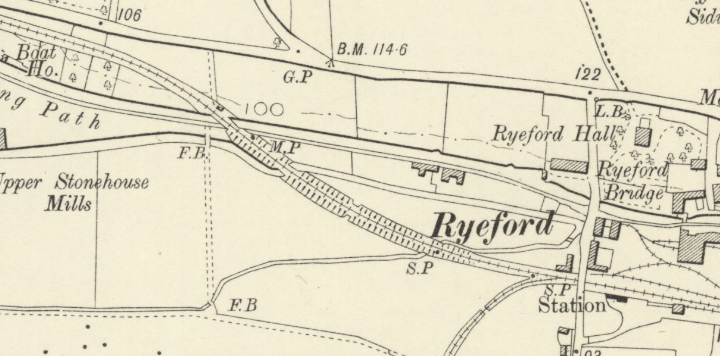
On Monday Henry Watkins, aged 23, and Joseph Love, a platelayer, were at work on the Stonehouse and Nailsworth Railway, pushing along a trolly, and when at a bridge that crosses the canal near Ryeford, Watkins, who was much heated, said he would take a dip in the canal. Love warned him not to do so, as he suffered from some nervous disorder. He, however, stripped and jumped in, where the water was pretty deep, and swam out to the middle, when he suddenly sank. Love, who could not swim, got into the water and waited to seize him when he should rise, but he did not reappear. Love then went for assistance, and got a man in about half an hour to the spot. He, however, through some misapprehension, declined to attempt to recover the body until the police gave permission. A policeman was subsequently fetched, and the man then dived in and brought Watkins to the bank, when he was found to be quite dead. An inquest was held before Mr R.L. Smith, deputy coroner, when a verdict of “Accidentally drowned” was returned,. The Coroner remarked on the absurd notion prevalent that bodies must not be removed till the police are communicated with, a course which might sometimes lead to fatal result.
30/10/1881 Spinal Injury and Paralysis. Nailsworth branch (location not specified). Application for Relief. John Teacle, Ganger, “Fell from Lorry, lost use of legs. Spine injured.” See record entry below:

1/11/1881 Nailsworth – whilst working Pile Engine. George Golding got his foot entangled in rope attached to the ram catch of the engine and injured his leg and shoulder.
1/7/1886 Dudbridge. Collision between steam locomotive and carriages. The official report reads: “The engine, which was backing on to the passenger train to take it to Stroud, struck the coaches at a speed of about six or eight mph and drove them back about 15 yards along the railway. The collision was caused by the carelessness of the engine-driver of the tank engine, who started his engine down the incline of 1 in 70 at too great a speed, and did not apply the break soon enough to stop his engine. The brake was in good order” For the full report see: https://www.railwaysarchive.co.uk/eventsummary.php?eventID=5394
17/8/1888 Minor injury at Stroud. Joseph Nichols, role not specified, “fingers injured when at work.”
30/5/1891 Woodchester. Henry Dowding, a Labourer, injured his finger when removing some stones.
25/7/1891 Hand Injury at Dudbridge. H. Workman, Goods Guard, “Hand injured between buffer.” This incident implies shunting and splitting of wagons which would have occurred in the sidings just to the west of the station.
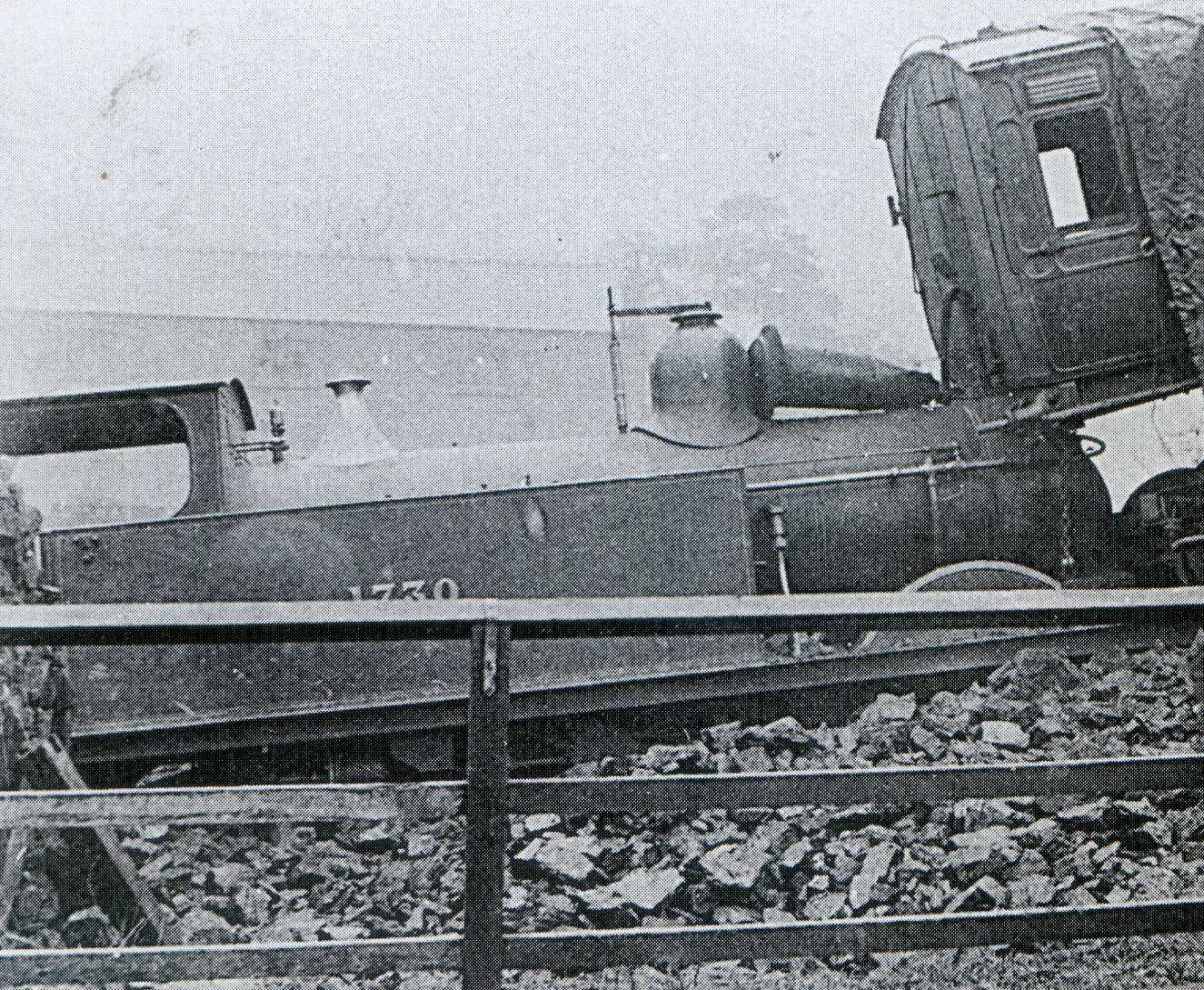
19/1/1892 Nailsworth – crash. “. . the 7.55 train from Stroud overran the platform at Nailsworth at 8.15 pm, and went over and through a stop bank at the end of the line, 140 yards past the platform, the engine running bunker first, coming to a stand in a yard beyond the stop-bank, and about 12 feet below the level of the rails . . . there were only 11 passengers in the train, and of these three in all were injured, the driver, who jumped from his engine also being hurt, but the injuries of only the one passenger were serious”. She suffered a broken leg. For full report see: https://www.railwaysarchive.co.uk/eventsummary.php?eventID=5755
12/4/1892 Foot Injury. Nailsworth branch (location not specified). Daniel Gabb, Labourer, “Foot injured by rail falling onto it..” See entry in records below:

1/9/1893 Fall at Dudbridge. William Shill, role not specified, “when going up signal ladder fell to ground injuring his wrists..”
30/9/1897 Head Injury, Dudbridge. J.H. Alpas, unspecified role, “Head injured. Tripped over rail and fell.”
3/11/1897 Child injured at Dudbridge. Reginald John Perry, child, “Foot crushed by wagon wheel – playing in siding.“ Like Lindsay Aldridge, aged 6, at Nailsworth in 1901 (see below) Goods Yards were so tempting as playgrounds; lots of places to play hide and seek..
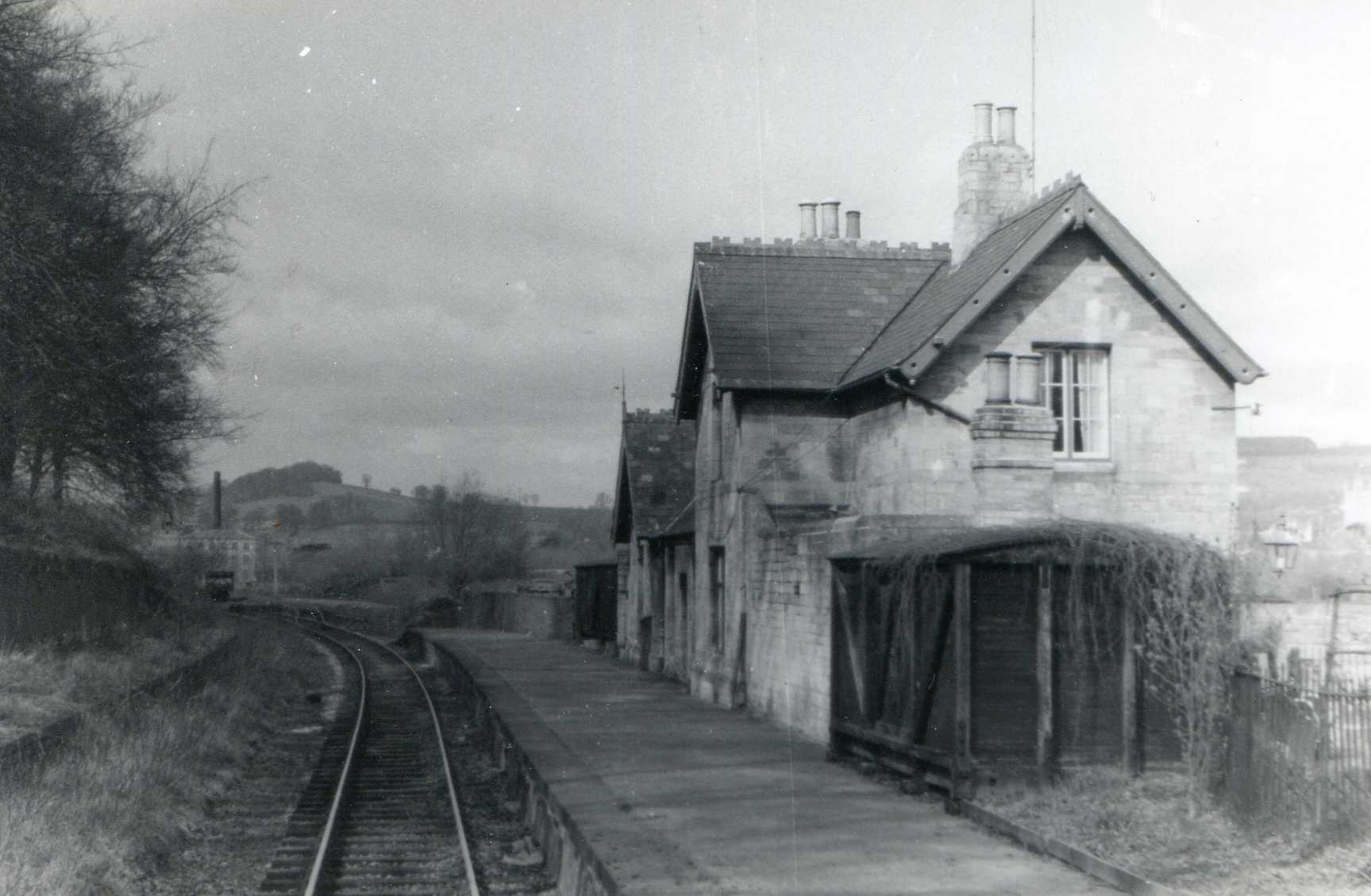
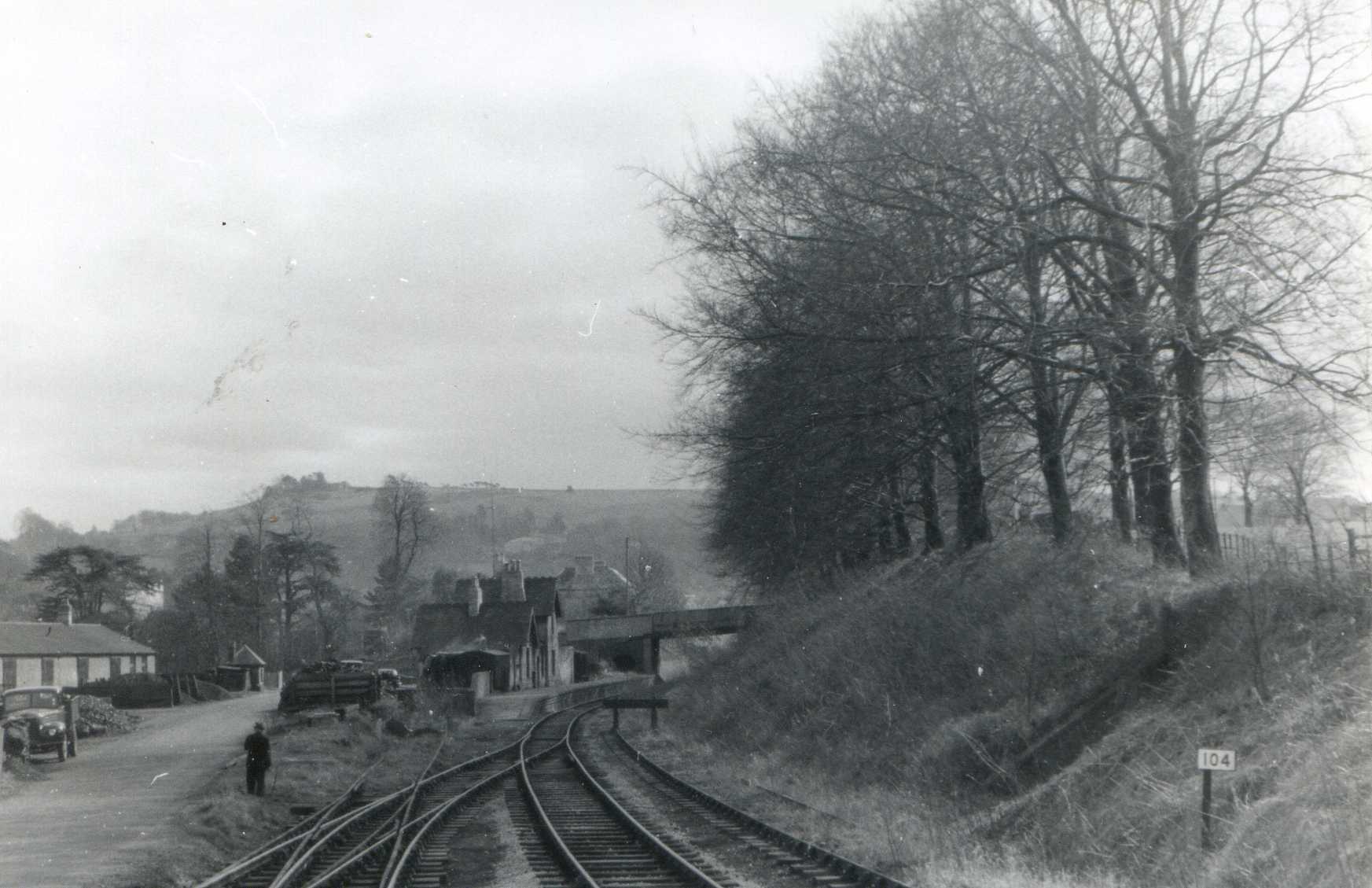
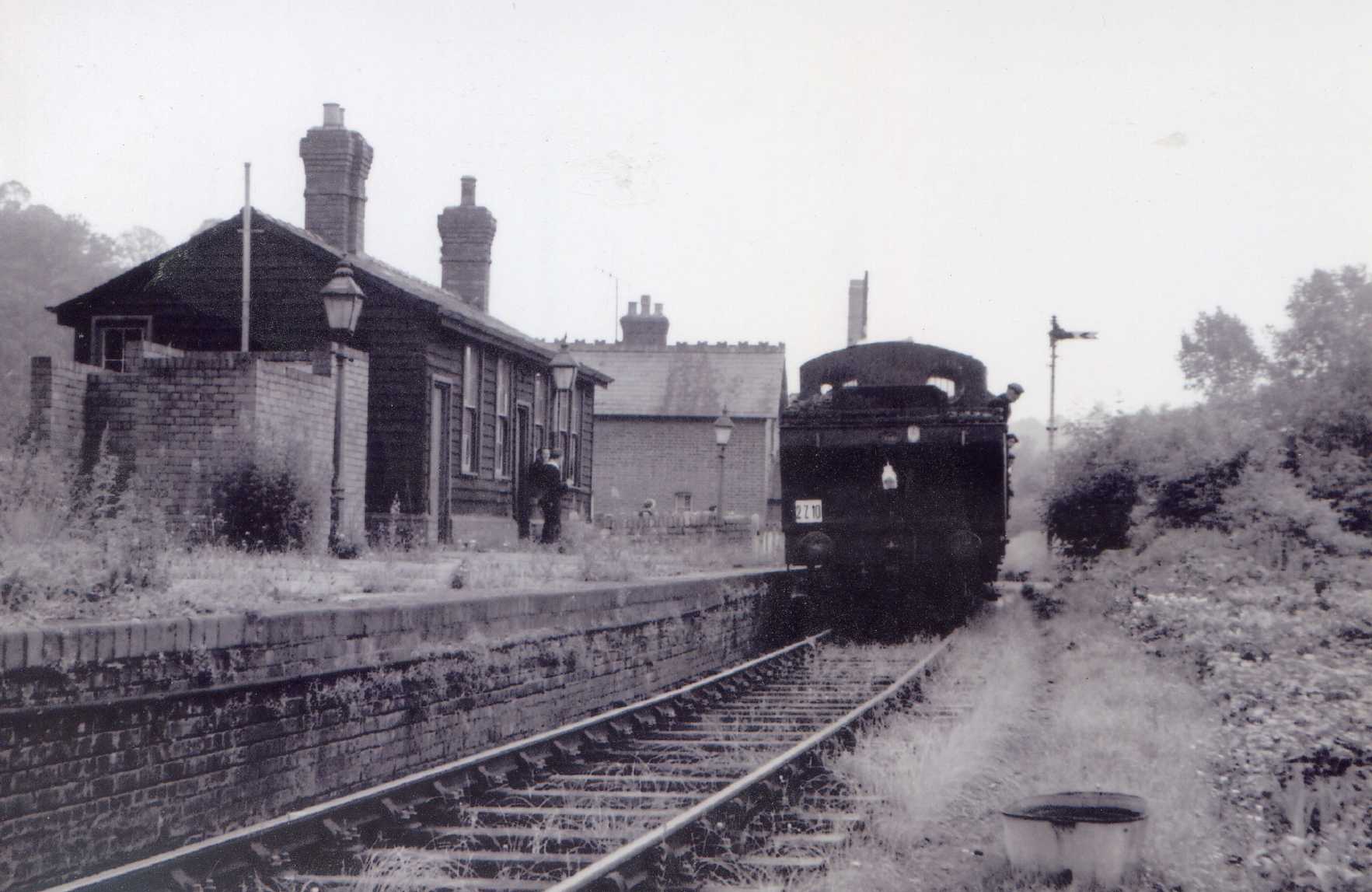
We don’t have the details but for John this could have been a life changing injury – and so much worry and stress for the family. The above photos are of Dudbridge station just before the closure of the line in 1966. In the left image the Goods Yard is just beyond the station, with Ebley Mill in the distance. The right hand image taken from the entrance to the sidings looks in the other direction towards Nailsworth.
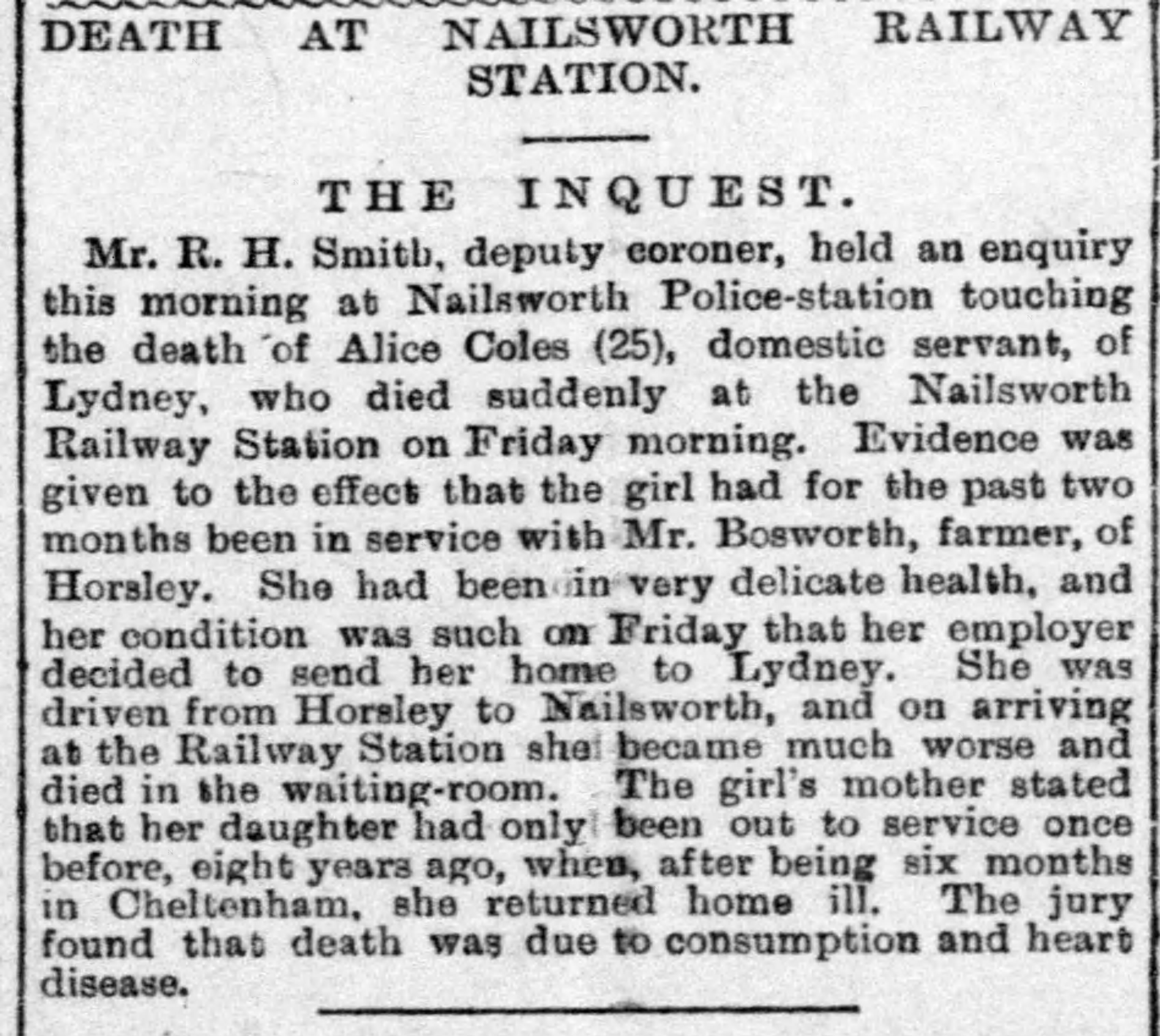
29/9/1899 Death in Nailsworth Station Waiting Room. Not all deaths on the railway were caused by trains or working with them; sometimes it was just where the person breathed their last as in the sad case of this young woman who succumbed to Tuberculosis. Extract from The Citizen, 30th September, 1899:
20/7/1901 Dudbridge, Lane’s Siding. The suicide of a 21 year old Mill Girl.

The Midland Railway ledger records the event as having happened at Stonehouse but the true location was on a public crossing near Lane’s Siding at Dudbridge, a little to the west of that station. Although the incident occurred quite early in the day at this time of year it would have been full daylight. Nevertheless the driver did not see the girl until he was quite close to her. The newspaper summary of the Coroner’s Inquest, which was held later that same day reads as follows: “. . the girl’s father said that his daughter had been depressed in her mind and had been affected by delusions. She had threatened to take her life, but had not made any previous attempt at suicide. He did not like the idea of his daughter going to her work along, and she was usually accompanied by a girl named Teakle. On Saturday morning, however, she went out quietly and proceeded towards Ebley Mill by a route she did not usually traverse. She avoided her girlfriend, and went straight to Lane’s Crossing. George Taylor, engine driver, said that on Saturday morning he was in charge of the goods train which left Stonehouse at 6.50. When the engine rounded the curve at Lane’s Crossing he saw a girl lying face downwards on the line. She pulled herself over from one rail to the other, so that her body was completely across the line. The life guard of the engine struck her, inflicting such injuries that death was instantaneous. He tried to bring the engine to a standstill, but was unable to avoid going over her body. If the girl had chosen she could easily have got out of the way of the train; but it was clear that she intended to take her life. The jury returned a verdict of Suicide whilst of unsound mind.” She was buried at Selsley on 23/7/1901.
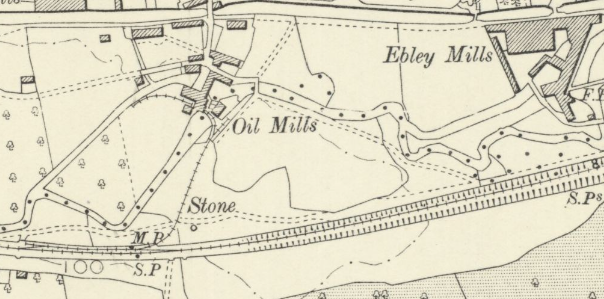
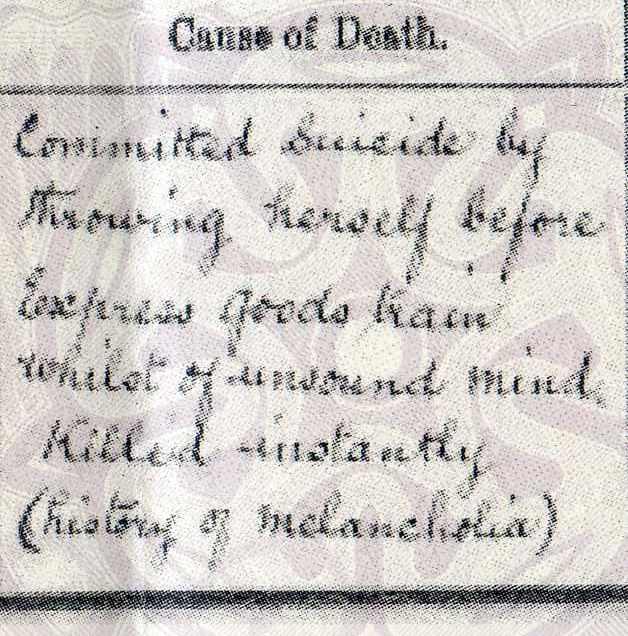
Above left: An extract from the victim’s Death Certificate. Above right: The location of the incident. The train was traveling from left to right along the line near the bottom of the image. The public crossing is probably bottom left. Ebley Mills, top right, was her usual place of work.
14/8/1901 Fatality at Woodchester. George Leech, aged 57, Vulnerable Adult, accidentally struck by engine and killed.

For the full story see: https://oldrailwaystuff.com/woodchester-railway-fatality/#:~:text=The%20victim%20was%2057%20year,suffered%20a%20serious%20head%20injury.
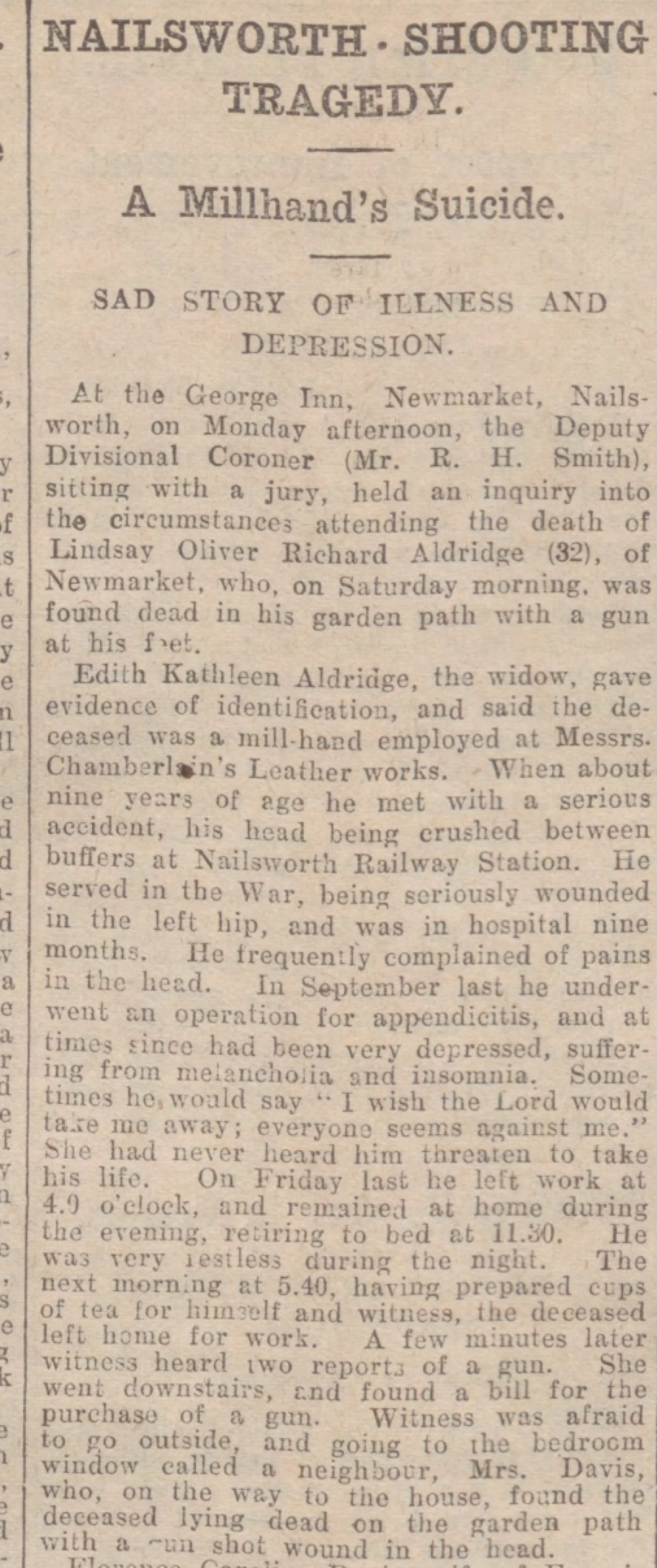
5/9/1901 Child injured at Nailsworth. Lindsay Oliver Richard Aldridge, child, trespasser, “Scalp wound. Playing in Goods Yard and struck by passing wagon.”
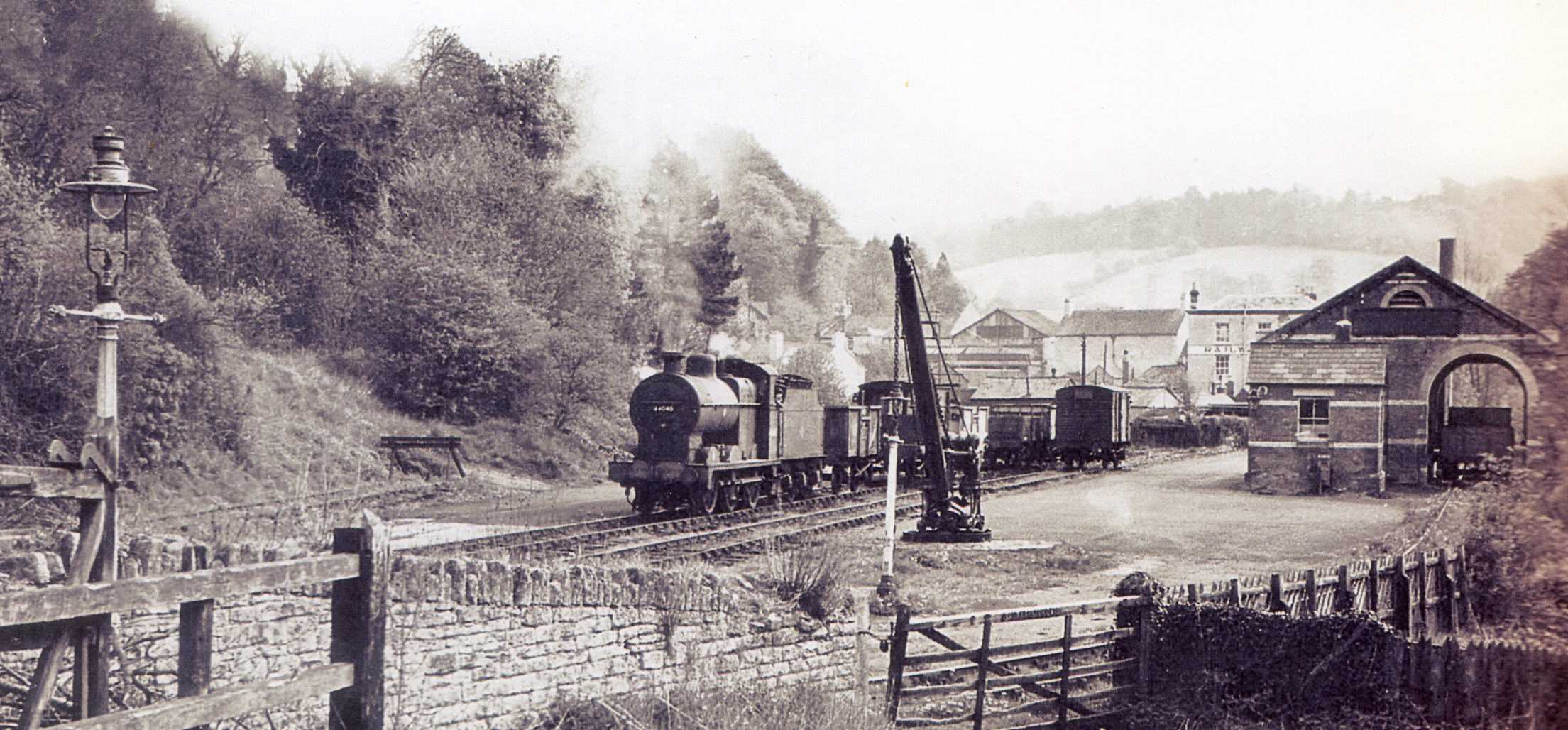
Lindsay was 6 when this happened and lived at Newmarket with his father Oliver (33), a Pin Mill worker from Whiteshill, and his mother Emma (30), born at nearby Horsley. At the time he was the eldest of their three children; the others being Beatrice, 3, and Cecil, 1. All three were born at Nailsworth. The Goods Yard must have been a fascinating and tempting, if dangerous, place to play. Having survived the incident he stayed in the area and married Edith one year his senior. On the 1921 census he is a “Machinist” working for the United Brass Foundry Co. Ltd at Woodchester and she is a “Pin Worker” for Perkins and Marmonts at Frogmarsh (between Nailsworth and Woodchester), perhaps the same company that her father-in-law had worked for. At this time they had no children.
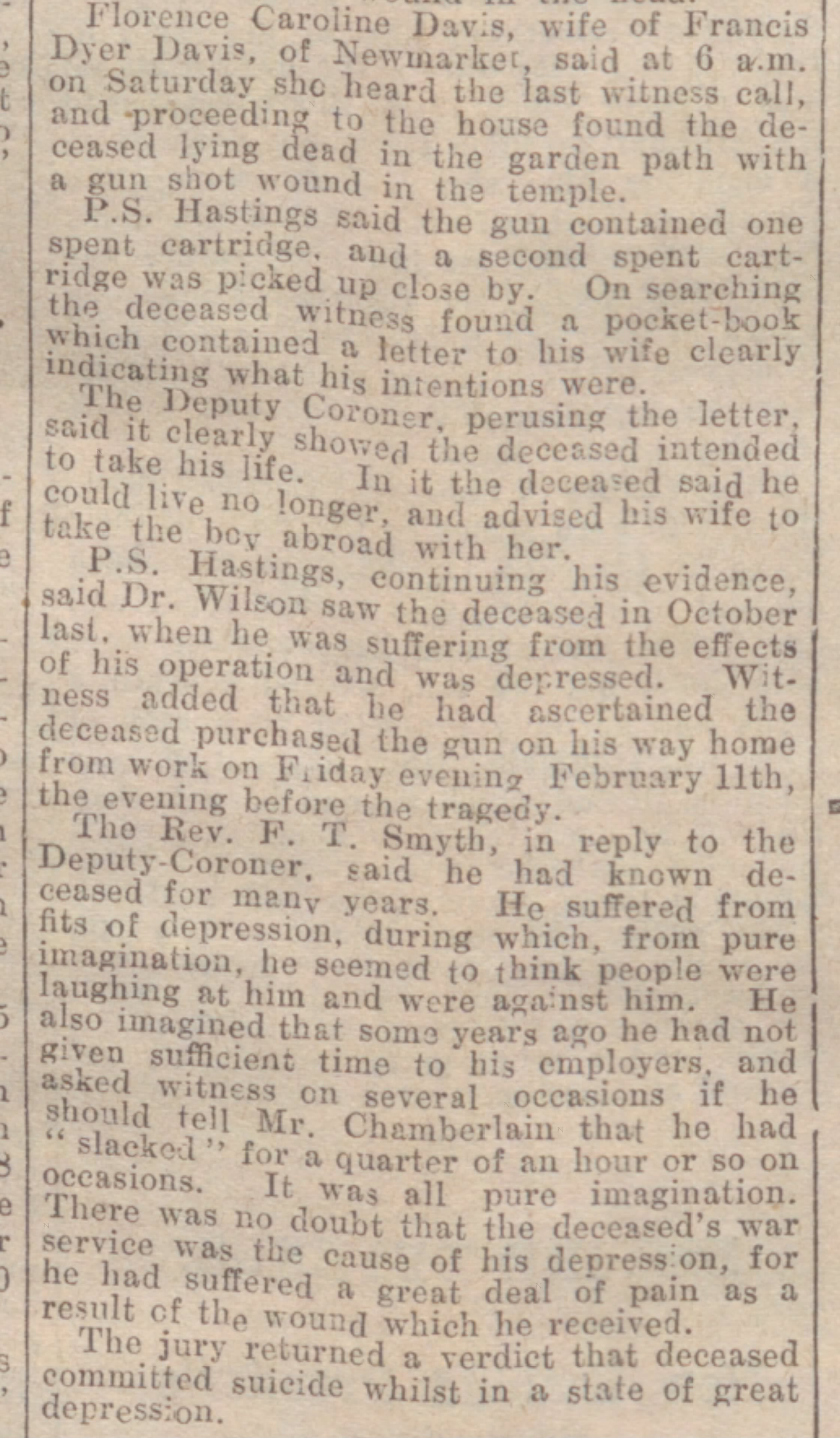
There is though a very sad end to this story which was reported in the The Citizen newspaper on February 15th, 1927. Lindsay took his own life at his home in Newmarket, Nailsworth. This article reveals that the injury in the Goods Yard was more than a scalp scratch. His wife, giving witness at the inquest on his death, says that it was serious and that his head was crushed between buffers. The account says he had been depressed and there is a hint of Post Traumatic Stress Disorder. He had been badly wounded in WW1. He was also recovering from surgery for Appendicitis. The article is pasted below:
12/10/1904 Ryeford Frank Webb, a Goods Guards suffered a crush injury to his fingers.
4/2/1905 Multiple injuries to Ganger. Near Nailsworth (exact site not specified in record), George White, a Ganger, suffered cuts to the head and right leg and severe bruising to his right side. The victim and four other men were on a trolley being towed by a cord attached to the rear of a goods train. When the train unexpectedly stopped to set down a lad riding on the engine, the trolley ran into the train resulting in the victim being thrown against the buffers. [source: Railway Work, Life and Death project, University of Portsmouth – Railway Inspectorate 1900-1939].
11/4/1905 Minor injury at Stroud. George Cook, “knee cut by sleeper hook.”
26/3/1906 Wrist sprain to Ganger. Nailsworth branch, location not specified. Henry Leach, 2nd Ganger, “Wrist sprained by fall.”
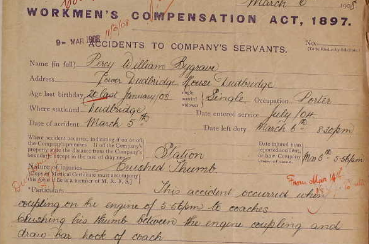
5/3/1908 Crushed thumb whilst coupling at Dudbridge.
Percy William Bygrave, Porter. “This accident occurred when coupling on the engine of the 5:56pm to coaches crushing his thumb between the engine coupling and draw bar lock of coach.”
Dudbridge was a place where a lot of coupling and uncoupling of trains went on – in the Goods Yard, but also, and particularly, of passenger trains, as in this case. Trains might be split here with a section going to Stroud and a section to Nailsworth then recombined on the return. Or engines might be run around the coaches when returning from Stroud for onward travel to Nailsworth; or vice versa. I remember my father complaining of how long it took an excursion train returning from Weston-super-Mare to get from Dudbridge to Nailsworth because of all the faff of having to run up to Stroud and back first.
12/5/1908. Carter fatality at Stroud. The victim was John Griffiths, a Carter of Stroud (someone who transported items between clients and the railway – sometimes employed by the railway, sometimes as an independent operator). The incident was reported in The Gloucestershire Echo of May 20th, 1908.
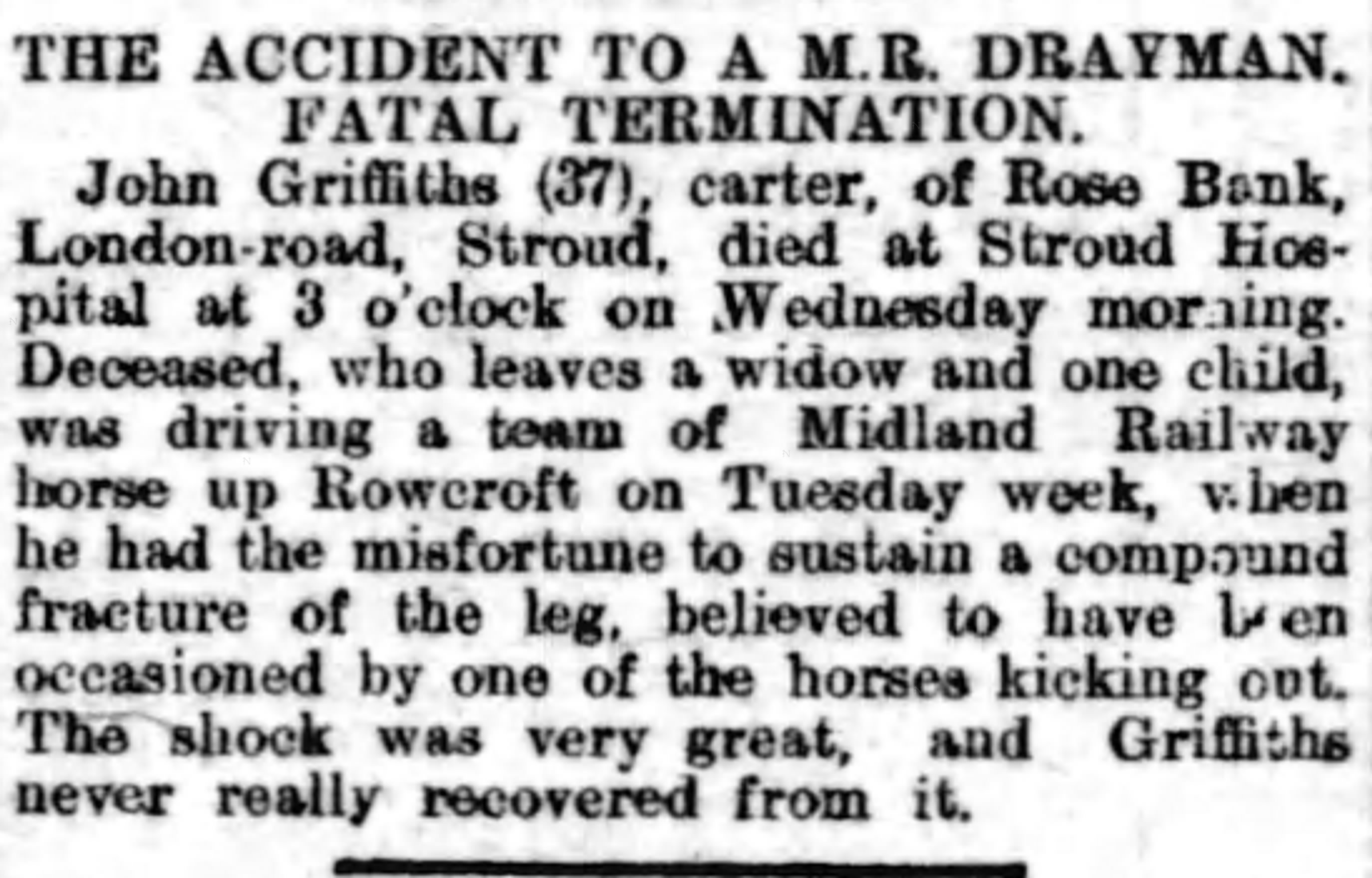
He was kicked by one of two horses of the dray he was driving for the railway. He was apparently driving from the shafts, which was not officially allowed. At the Coroner’s inquest the verdict was accidental death, but William Harrison of Brick Row was praised for bravery for pulling the victim clear of the shafts when the horses bolted.
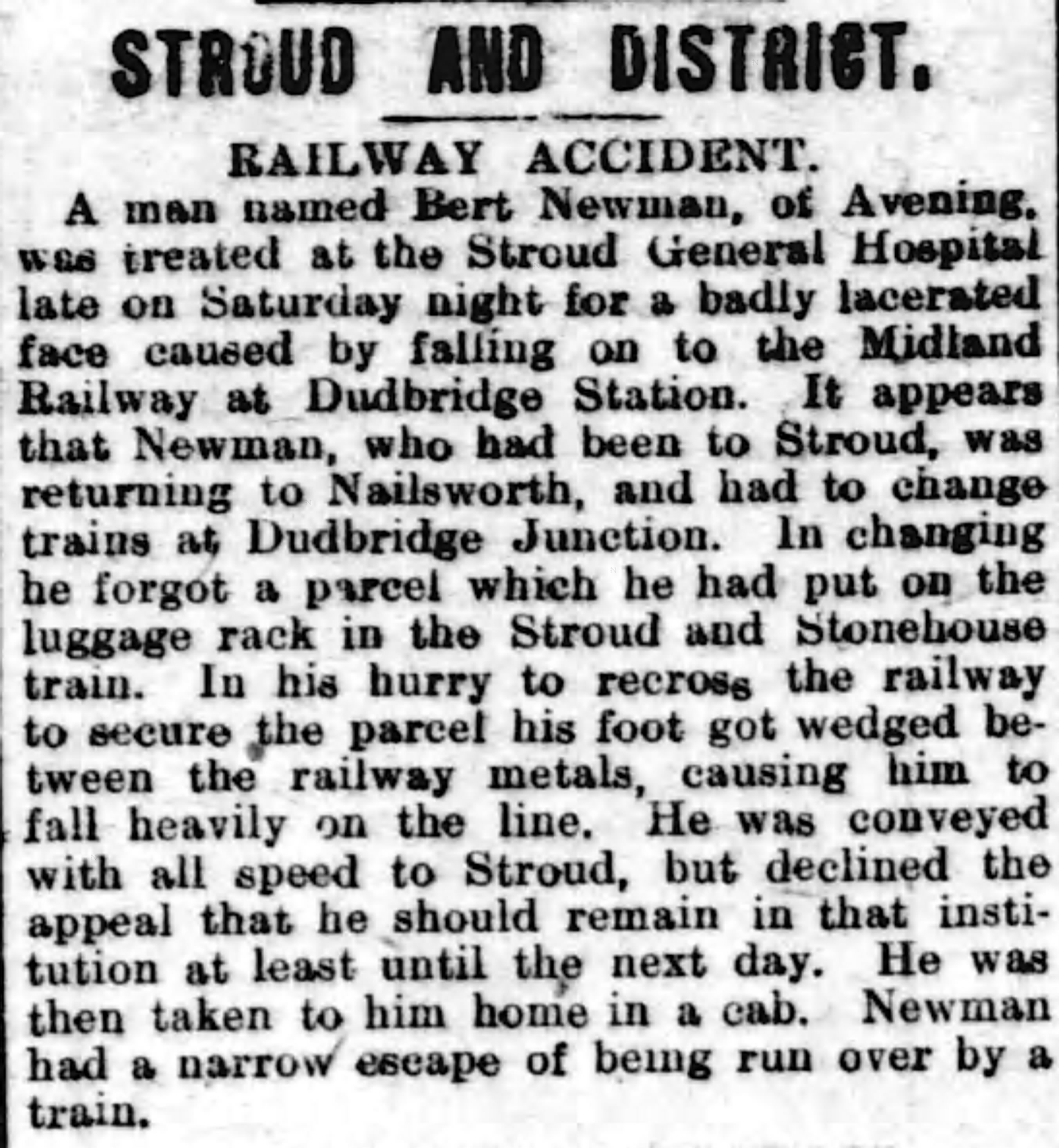
10/6/1908 Passenger falls onto tracks at Dudbridge. A number of the newspaper write ups about mishaps on the line provide insights into the operation of the railway. In this case the practice of changing trains at Dudbridge which was a junction with a spur into Stroud. This passenger was in a hurry to change trains and left a parcel on the one he was leaving. In his haste to retrieve it he crossed the tracks from one platform to the other and fell onto the line. This was a risky maneouvre with trains at the station and about to move off. The event is report in The Citizen of 10th June, 1908.
25/6/1914. Woodchester. Thomas Trigg, a Labourer, suffered a thumb crushed between rail and chain.
15/12/1916. Fatal fall in Nailsworth Goods Yard. The following is the report of the inquest published in the Cheltenham Chronicle and Gloucestershire Graphic on Saturday, 23rd December, 1916. It is interesting how quickly inquests were held after a death and often in some premises near to where the event took place. As is often the case the published details give some insight into how things were carried on at the location.
Mr A.J. Morton Bell (divisional coroner) held an inquest at the Railway Hotel, Nailsworth, on Monday morning, on the body of William Humphries, aged 48years, a plasterer and tiler, of Shortwood, Nailsworth, who died as the result of a fall from a ladder whilst working on the roof of a shed belonging to C. W. Jones, coal merchant, in the goods yard of the Midland Railway on Friday afternoon.
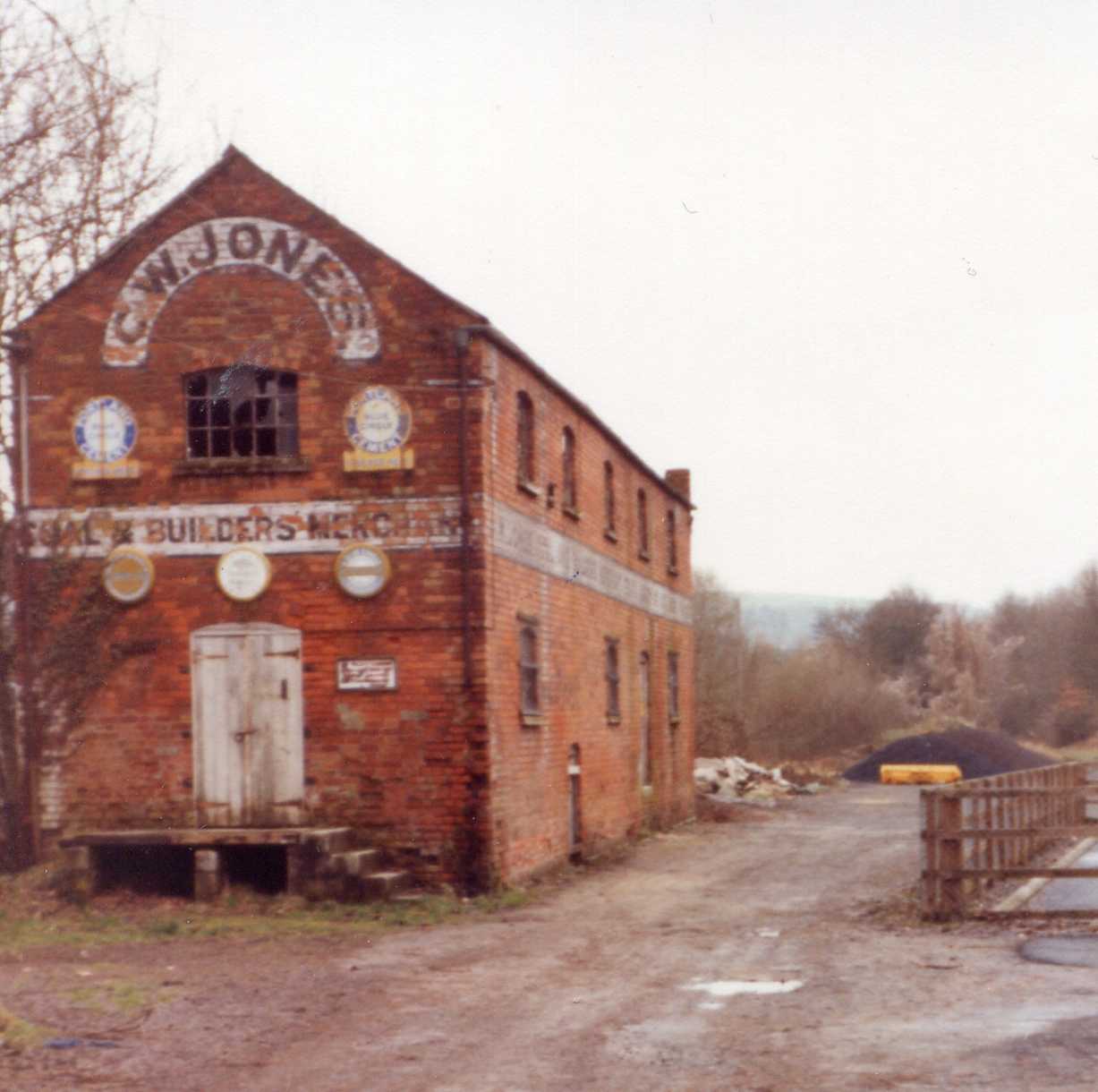
Nailsworth Goods Yard and the remains of C.W. Jones, premises, 1982.
In opening the inquiry the Coroner said the case had a very serious aspect from the fact that it was alleged that some person was responsible, and the question the jury had to ascertain was where the responsibility lay, because that involved a serious charge.
Henry John Humphries, brother of the deceased, gave evidence of identification, and stated that his brother was an active man, used to the work on which he was employed when he met his death. He considered that where his brother was working there was risk, and personally he would not have undertaken it without a man at the foot of the ladder.
Dr G.P. Bletchly said deceased sustained a fracture of the skull, and that death was almost instantaneous.
Thomas Raymond Smith, foreman porter in the M.R. goods yard, said there were two teams of horses belonging to Messrs. Rowland Bros., farmers of Avening, standing loose and unattended in the recess near the goods yard. He did not see the accident happen, but was called out of the office to the man, who was sitting on the ground in an unconscious condition. The ladder had evidently struck out at the bottom. No one had witnessed the accident.
P.C. Spragg, Mr James Rowland (farmer of Avening), Edward Pinnell and William Payne (carters in the employ of Messrs Rowland), and Kenneth Stratford (15) also gave evidence. The last named said he saw the horses loose in the yard, and when the man and the ladder were on the ground he noticed the animals walk in the direction of the wagon, but he did not see them in contact with the ladder, neither did he observe how the accident had occurred.
Ernest William Baldwin, builder, of Nailsworth, who employed the deceased, said the ladder was safely placed on hard ground, and there was nothing to cause it to slip. The deceased never asked for a man to stand on the ladder, or he could have had one. As a matter of fact, one of the men working with him had offered to do the work for him. The jury returned a verdict of accidental death, the ladder having slipped from some unknown cause, and sympathy was expressed with the deceased family and relatives.
Monday 19th November, 1917. Death by the Cattle Pens at Nailsworth. This sad event did not appear in my online search of Midland Railway records but was already known to the town’s archive. With the help of others I have located the write up of the Coroner’s Inquest published in the Gloucester Echo. The transcript is as follows. The time of year and time of the accident suggests that it occurred in the dark. The goods yard had only sparse gas lighting.
Railway Fatality at Nailsworth. Inquest and Verdict.
Mr A. J. Morton Ball (Divisional Coroner) held an inquest at Nailsworth Midland Railway Station on Wednesday afternoon on the body of Charles Andrew Pash (53), of Horsley Road, Nailsworth, who was killed on the line on Monday evening whilst engaged in shunting operations near the cattle pen. Mr J. Robinson, district traffic inspector, watched the proceedings on behalf of the railway company.
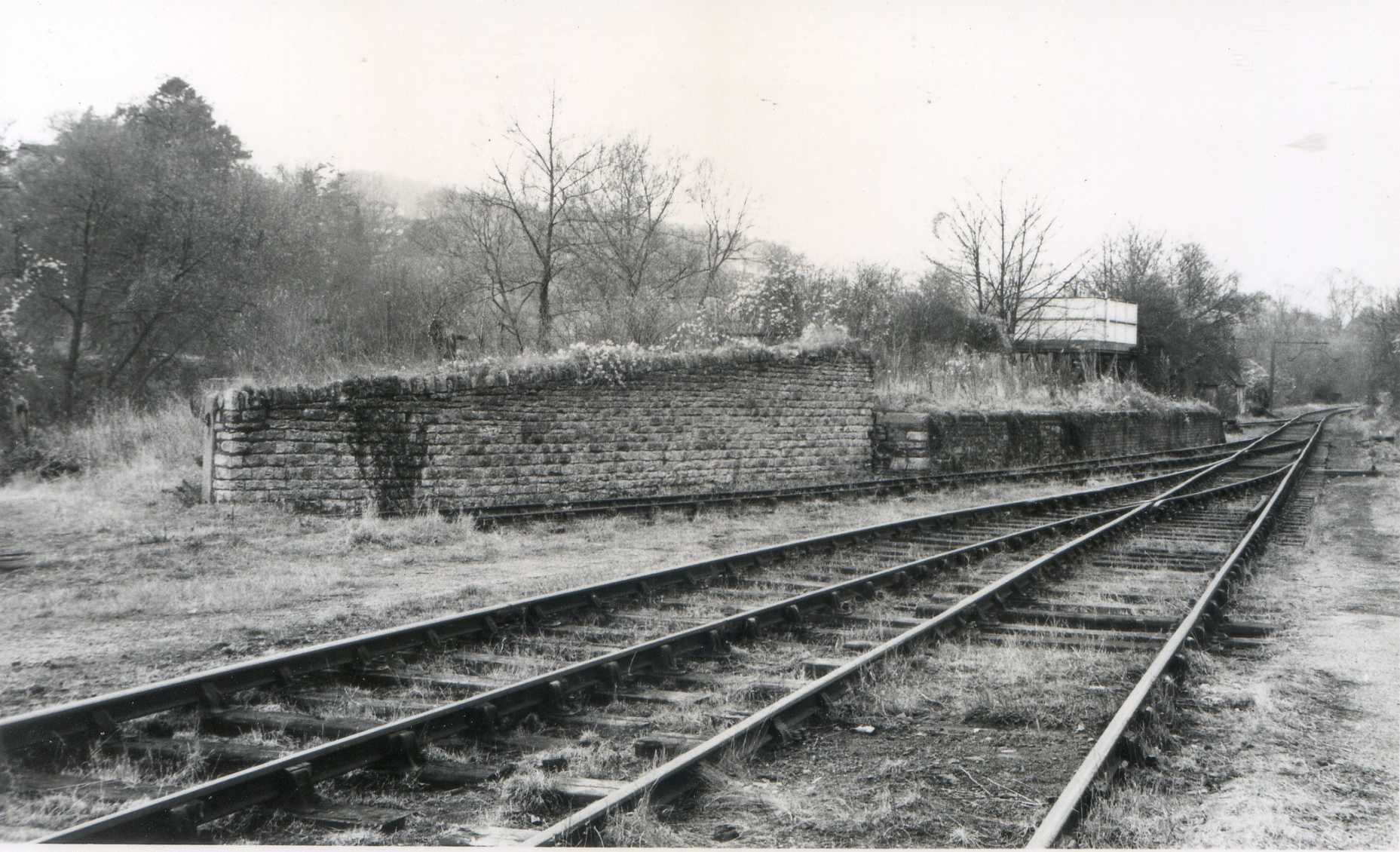
Harry Goodwin, a porter, of Gloucester, who is acting as foreman at Nailsworth, said when the 5.5 p.m. goods train arrived he instructed deceased to attend to the points on the line leading to the shed and to pass two empty trucks through to the shed. This work he was quite used to, and had been engaged in it daily for some two years. Witness proceeded with his work and saw nothing more of deceased until he was found dead beneath the wall of the cattle pen after the trucks had passed. Deceased had no occasion to be at this spot, as there was insufficient room for him to stand whilst trucks were passing, and the only reason likely to bring him there was that he stood out of the way of the trucks which, perhaps, he thought were travelling on another line. The trucks travelled on their own impetus at a rate of four or six miles an hour, and the brake could be applied from either side.
Walter Ellison, of 5 Furlong Road, Gloucester, traffic supervisor on the Midland Railway, said he travelled on the train to Nailsworth, and was standing opposite to the cattle pen when the trucks were being shunted. As they passed he heard a groan and saw a man in a crouching position right against the wall. He was seriously injured, and witness did all he could to succour him until the arrival of a doctor.
Dr George Playne Bletchly said when he examined the deceased he was quite dead. Six ribs on the right side of the body were fractured as well as the right and left collar bone. Witness was of the opinion that Pash was endeavouring to reach the platform of the cattle pens when he was caught by the trucks and crushed.
The Coroner said there was nothing to show how deceased came to be against the wall, but so far as he could see there was no necessity for him to be there. The whole evidence pointed to the fact that death was accidental, and that no blame was attributed to anyone. With this the jury agreed, and they returned a verdict accordingly. Mr Robinson observed that this was the first fatality among employees of the company at Nailsworth since 1889.
This incident was a double tragedy. Charles’ son William had been killed on the Somme on 23rd July 1916 during the Battle of Pozieres Ridge, and is commemorated on the Thiepval Memorial, France.
18/12/1919 Trivial injury at Nailsworth. G. Lunett, Ganger, “Leg grazed whilst cutting hedge.”
2/5/1921 Woodchester – Toe v Sleeper. Underman, F. Lawrence, suffered an injured toe when a sleeper fell onto it.
25/8/1921 Goods train knocks down Carter at Woodchester – ultimately fatal. The Gloucestershire Echo printed a report of the inquest on Saturday 27th August, 1921:
Fatal Railway Accident at Woodchester. Inquest and Verdict.
At the Stroud General Hospital on Friday afternoon Mr R.H. Smith (deputy coroner) held as inquest into the circumstances surrounding the death of Arthur Bennett, aged 32 years, a carter, of Kingscourt, near Stroud, who died at the Institution on Wednesday evening following injuries sustained on the Midland Railway line at Woodchester the same day, when knocked down by a passing goods train. The proceedings were watched by Mr J. Robinson, traffic inspector, on behalf of the Midland Railway Company.
Dr Robert Wilson, of Nailsworth, said he was called to the scene of the accident at 5.15 p.m., and on arrival found deceased lying at the side of the line. There was a large wound on the deceased’s forehead, and a fracture at the base of the skull. It was a hopeless case from the outset.
Edith Mary Bennett, the widow, said her husband left home for his work at the Woodchester Incubator Works, and he appeared in his usual good health and spirits. She heard of the accident at about 5.50 p.m., and was quite satisfied it was accidental. He had no trouble whatsoever.
Francis Arthur Bennett (15), son, said he was with his father during the afternoon, and left the works at 5 o’clock, proceeding towards home on the main road. Near Bird’s Crossing of the Midland Railway line deceased told him to go on slowly and he would overtake him, and witness thought he was going to the blacksmith’s shop near by, and did not again see him alive. He did not know why he should have gone on the line.
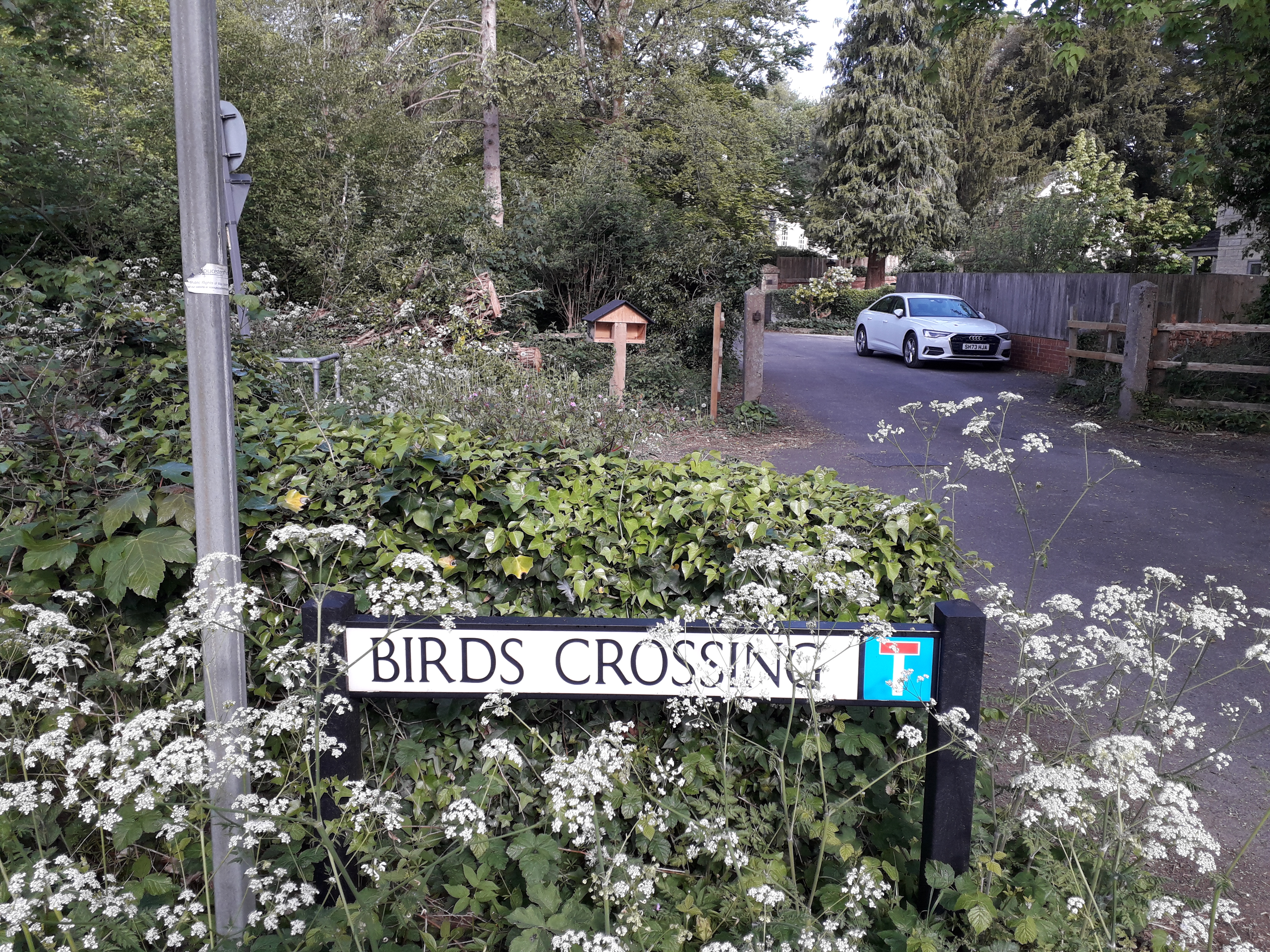
Victor Payne, of Bird’s Crossing, Woodchester, a printer, said about 5.5 p.m. he heard the 4.58 goods train from Dudbridge, and went to the door of the house as the train was passing the crossing. He thought he saw a dark object go up to the line and when the train had passed he saw deceased lying between the metals. He called assistance and later deceased was removed to the hospital. He thought deceased must have been going towards the main road.
Thomas Joseph Saddler, of 66 India Road, Gloucester, the driver of the train, said he saw nothing of the deceased on the line, and did not know of the accident until 5.50, when he examined the engine, but he could find no mark thereon. The whistle of the engine was sounded before reaching the crossing, from which point there was a clear view of the line for 150 yards.
Lewin Alfred Bartlett, of 20 Clarence Street, Gloucester, the fireman, also gave evidence, and said he was keeping a lookout but saw no one on the line. The jury returned a verdict to the effect that deceased was knocked down by a Midland goods train, and killed from a fracture of the base of the skull, there being no evidence to show how he got in front of the train.
The Inquest was also reported in The Gloucester Journal on Saturday 3rd September, 1921. It differs from the above account in a few ways. It twice states that the son’s age was 11 and not 15, and also that his father went on ahead of him rather than lagging behind. It also makes the point that the wife stated that the deceased was “of a cheerful disposition”. The implication here is that there was no reason to think that this was a suicide.
Accidents occurring after the Midland Railway era when the branch line to Nailsworth was part of the London Midland and Scottish Railway.
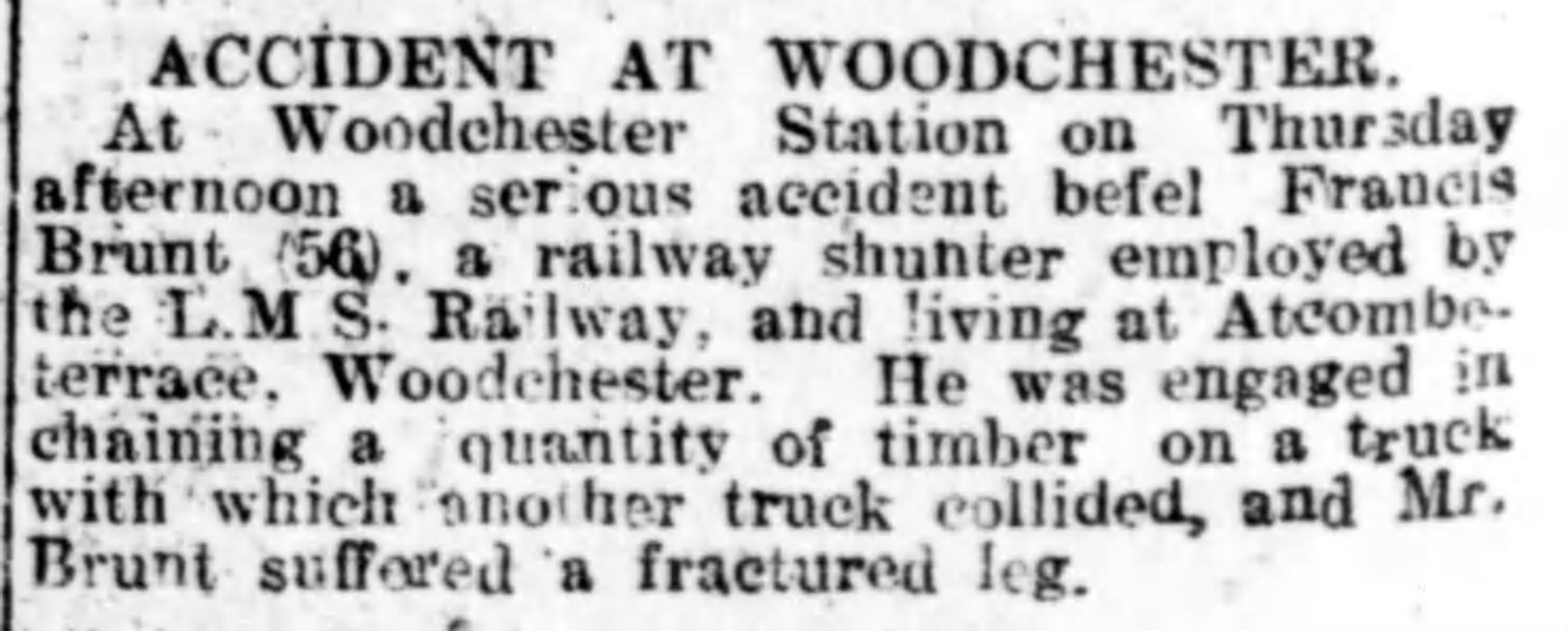
27/3/1924 Compound fractures of the leg at Woodchester. Francis Brunton, Porter. When Messrs Workman’s employees used a crane to move timber on a bolster wagon on which Brunton was standing, it moved the wagon causing Brunton’s leg to be caught between the timber loads . The accident may be attributed to misadventure. Brunton did not hear the crane driver’s warning but had he been aware the wagons were to be moved he would not have remained on them. Messrs Workman’s employees had no knowledge of Rule 112 (a). [source: Railway Work, Life and Death project, University of Portsmouth – Railway Inspectorate 1900-1939].
1/4/1927 Ganger Fatality at Lightpill, Dudbridge. The Coroner’s Inquest was reported in The Citizen on Monday 4th April, 1927.
Sub-Ganger’s Instantaneous Death: The Divisional Coroner (Mr J.R. Morton Ball), sitting with a jury, held an inquest on Saturday afternoon at Kingscourt, on the death of Frederick Vines (57) of 2 Hillview, The Gastrells, Kingscourt, near Stroud, a sub-ganger in the employ of the L.M.S. Railway, who was killed on the line near Lightpill on Friday morning. Mr J. Robinson (District Controller, L.M.S. Railway, Gloucester), Mr G.W. Brown, Bristol (Organising Secretary of the N.U.R), and Mr F.E. Wake (Local Branch Secretary N.U.R) attended the inquiry.
Evidence of identification was given by the widow, Kate Vines, who stated that the deceased’s health, eyesight, and hearing were good. On April 1st he left home at 7.10 a.m. to go to his work on the L.M.S. Railway, in whose employ he had been for 37 years. George Coates, 34 Derby Road, Gloucester, the driver of the train, said on the morning of April 1st he left Nailsworth at 7.25 for Dudbridge. After leaving Woodchester station he noticed the deceased walking towards him on the footpath, which ran alongside the rails. He had a coat over his shoulders. When the train was close upon him the deceased appeared to stoop towards the line as if to pick something up, and as he did so the engine struck him. The whistle was not sounded, witness thinking that the deceased must have seen the train proceeding towards him. Witness did not think the deceased’s action was premeditated. Upon arrival at Dudbridge Station witness examined the engine, and the only mark found was a very small spot of blood on the buffer, which was about three feet from the ground. The Stationmaster returned with the witness to the scene of the accident, where they found the deceased lying dead on the footpath. In reply to Mr Brown the witness said that the deceased walked with a natural stoop. He (witness) could not, of course, say that he was absolutely sure that deceased, on the impulse of the moment, suddenly stopped to examine a length of line, thinking he was clear of the train. Thomas Raymond Smith, Stationmaster at Dudbridge, who accompanied the last witness to the scene of the accident, gave corroborating evidence.
Dr A.B. Davies stated that when he examined the deceased he found a bruise on the left side of the skull. there had been haemorrhage from the left ear and nostrils. There were no external injuries. In his opinion the cause of death, which was probably instantaneous, was shock following a fracture of the base of the skull. The jury returned a verdict of accidental death, and expressed sympathy with the widow, a sentiment in which the Coroner, Mr Robinson, and Mr Brown joined.
Frederick had been born at Stonehouse and had followed in the footsteps of his father who was also a railway platelayer.
19/10/1932 Woodchester Crossing Tragedy. This event was reported at length by The Citizen on Saturday 22nd October, 1932. The accident raised doubt as to whether it was safe to run passenger trains on the branch line with a carriage in front of the engine.
Woodchester Porter Commended. How a railway porter, at great personal risk to himself, tried in vain to save an old woman from being knocked down by an oncoming train, and only just succeeded in jumping clear himself, was described at an inquest at Woodchester yesterday afternoon. The Deputy Divisional Coroner (Mr R.R. Smith) sitting with a jury, was inquiring into the death of Sarah Mantle (78), unmarried, of the Almshouses, Bospin Lane, Woodchester, who on Wednesday morning was knocked down by the passing L.M.S. train at Woodchester Station level crossing and died some two hours later from the injuries she received at Stroud General Hospital.
The jury, of which Mr E.T. Wise was chosen foreman, returned a verdict of accidental death, but expressed the view that the whistle of approaching trains should be sound at a distance a little nearer to the station than at present appears to be the case, particularly as regarded trains proceeding from Nailsworth. Mr Cole, L.M.S. Controller at Gloucester; and Mr L. Gregory, of Cardiff, attended the inquiry on behalf of the Amalgamated Society of Locomotive Engineers and Firemen, and as representing the driver of the train involved, William Herbert Shewell, of 42 Derby Road, Gloucester.
Teresa Click, wife of Henry Charles Click, of Frogmarsh Lane, South Woodchester, who had known Miss Mantle for some months, said her sight and hearing were good, and so far as she was aware she had not suffered from any attacks of giddiness. She visited Stroud almost every day, travelling by road ‘bus and to the best of her knowledge always passed over the station level crossing.
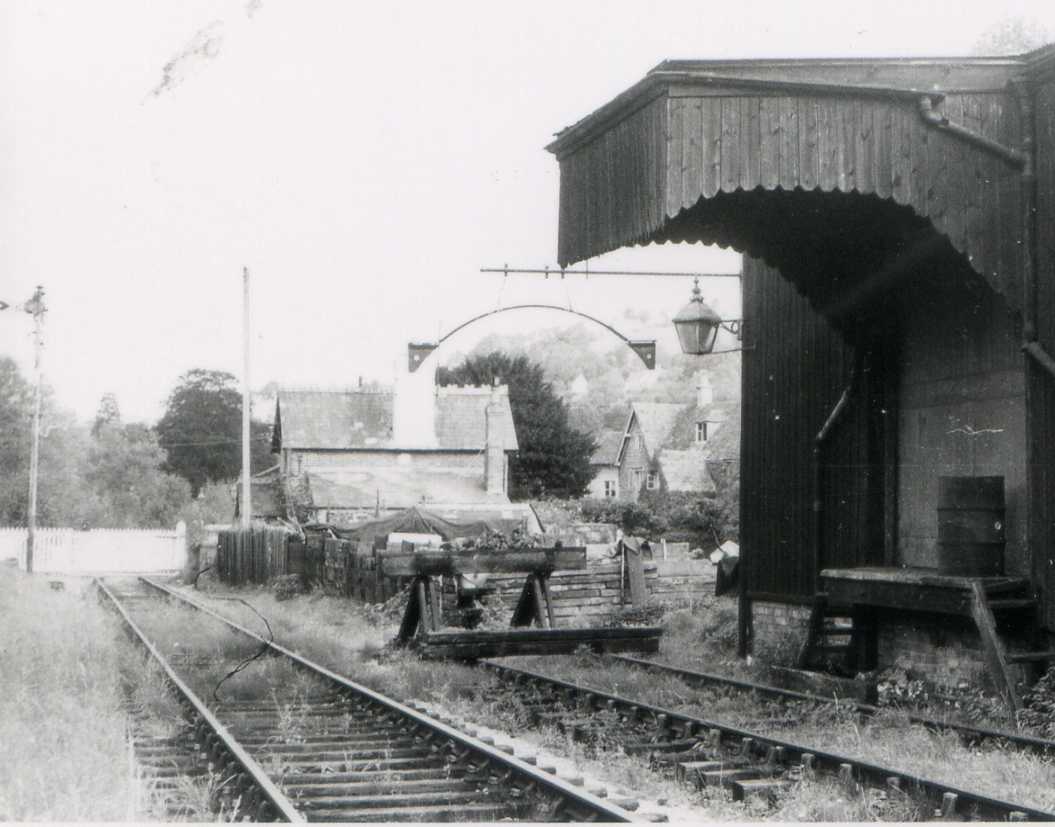
Leslie Gordon Herbert, of Woodchester, a porter in the employ of the L.M.S. Railway at Woodchester Station, stated that he was on duty at 10 a.m. on Wednesday, and closed the large gates for the train leaving Nailsworth at 10 a.m. He waited until he actually saw the train approaching, and left his cabin to walk across the line onto the platform. He (witness) could not remember having heard the sounding of the whistle. Just before reaching the platform he turned around and saw Miss Mantle, just about to cross the line, having passed the the wicket gate on the Woodchester side of the crossing. He shouted to her, but she took no notice.
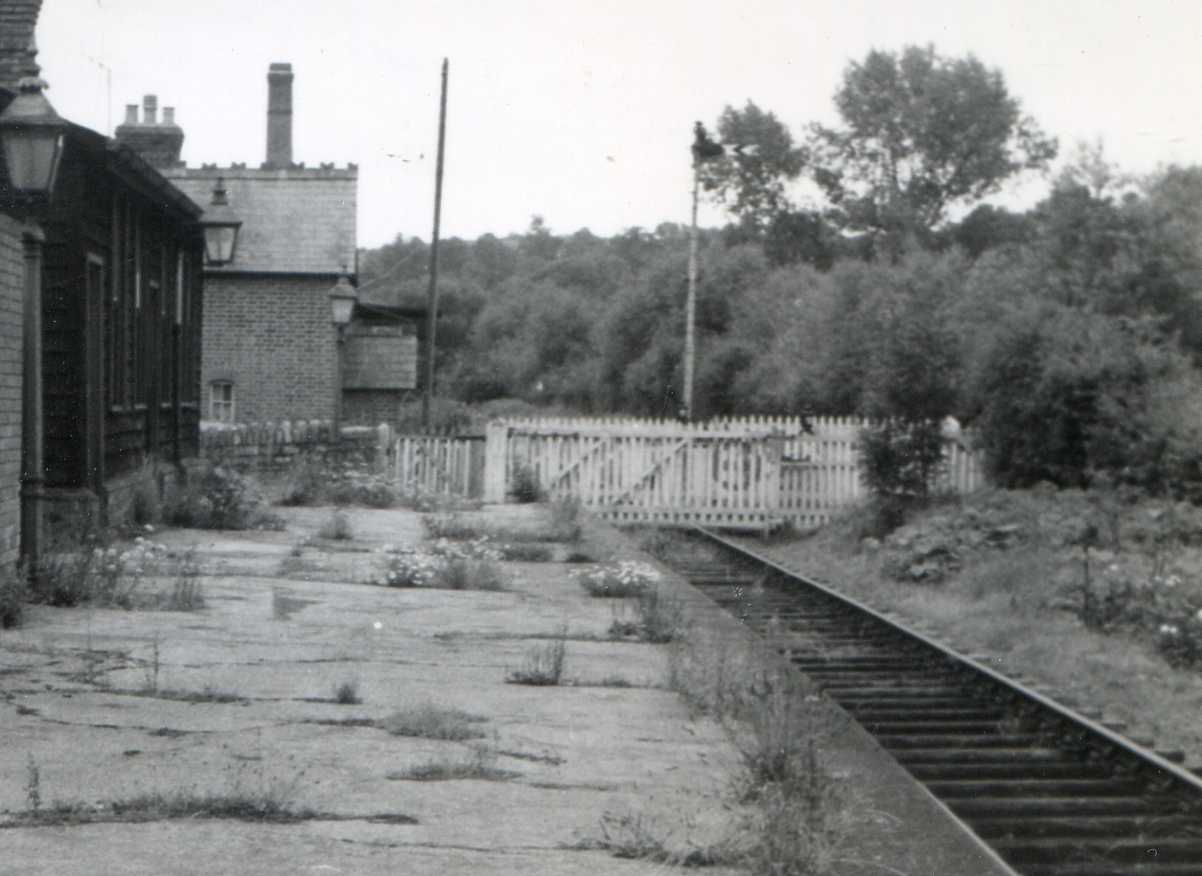
crossing towards Nailsworth.
“I could not reach her before she had nearly got across,” said witness, “and the train was nearly upon us. I just managed to get clear myself, and the train passed. I afterwards saw that she had been hit.” Witness added that he ran into his cabin, informed his mate, and Miss Mantle was attended by Dr Wilson, of Nailsworth. The Deputy Coroner (to Herbert): There is no doubt you did everything possible. In reply to Mr Cole, witness said the train was well insight before he left his cabin. Miss Mantle did not appear to look either way along the line; she was “eyes front” all the time.
Harry Dean, an unemployed labourer, of 18 Summer Crescent, Stroud, who witnessed the accident, said he and a number of other unemployed, who had been in search of work, shouted to Miss Mantle to warn her that a train was approaching. She did not seem to take any notice. The Coroner: How did you know there was a train coming? Witness: because the large gates were closed. He added that he could not say with certainty that he heard a whistle sounded. How near was the train when she really started to cross the line? – About 10 to 15 yards away. It was slowing down to stop at the station? – Yes. She seemed to be looking straight ahead? – Yes. Asked what happened next witness said: “A young porter, seeing the danger, made a rush towards her to try to ward her off, but had to jump for his own safety. We thought she had been killed, but found that she had been struck by the off-side of the coach, which was in front of the engine.“
Dr McCabe, house surgeon at Stroud General Hospital, said Miss Mantle was admitted to the Institution between 10 and 11 o’clock on the morning of October 19th suffering from severe shock, a fracture of the right leg above the ankle, abrasions and bruising of the right hip, a fracture of the right wrist, a wound on the right and abrasions on the left temple. There was also bleeding from the nose, indicating a fracture of the base of the skull. The cause of death was shock due to multiple injuries.
William Herbert Shewell, the driver of the train, who was cautioned by the Coroner that he need not answer any questions which might incriminate himself, stated that he was the driver of the train operating on the branch line between Nailsworth and Gloucester. He sounded the whistle about 200 yards before reaching Woodchester Station level crossing to warn workmen and others who might be engaged upon sidings of approach. Having rounded the bend and got into the straight for the station he observed that all signals were off and the gates closed for clear line. When about 80 yards away he noticed the porter step out of the signalman’s cabin and cross the line in the direction of the platform. When the porter had almost reached the platform witness saw him turn and look round. By that time the train had nearly reached the station. He also saw the porter run back. “A woman suddenly came into view from behind the cabin,” said witness, “and walked straight in front of the train. She appeared to be looking straight ahead, with a determined sort of walk , and part of the front coach struck her and knocked her down. He had been steadying the train, and had already braked fairly hard because of stopping at the station.
A juror: The front coach was in front of the engine. Is it possible for you to see in front of that coach, rigt and left? Witness: I have a clear view.
Summing up, the Deputy Coroner said there seemed to be only one doubt, and that was regarding the sounding of the whistle. Personally, he was satisfied that the whistle was sounded in accordance with the regulations, but if the jury desired further evidence upon that point other witnesses could be called. One or two jurors expressed the opinion that the whistle was not sounded sufficiently near the station, and they were told that this view could be added as a rider to any verdict they might return.
Mr B. Faulkener (Stationmaster at Woodchester) said he had often travelled upon the train from Nailsworth with the coach in front of the engine, and the whistle was always sounded as a warning. The jury returned their verdict as stated, and added the rider stated from the point of view of safety. The Deputy Coroner said he thought great credit was due to the porter, Herbert, for his action the great personal risk in trying to save the woman. The jury concurred, and sympathy was expressed with the friends of Miss Mantle.
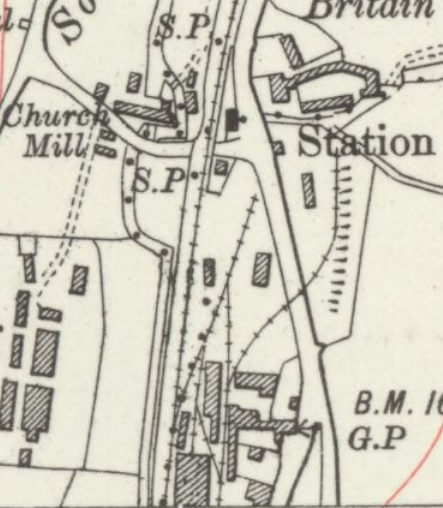
Incidents at or near Stonehouse (Midland Railway) Station:
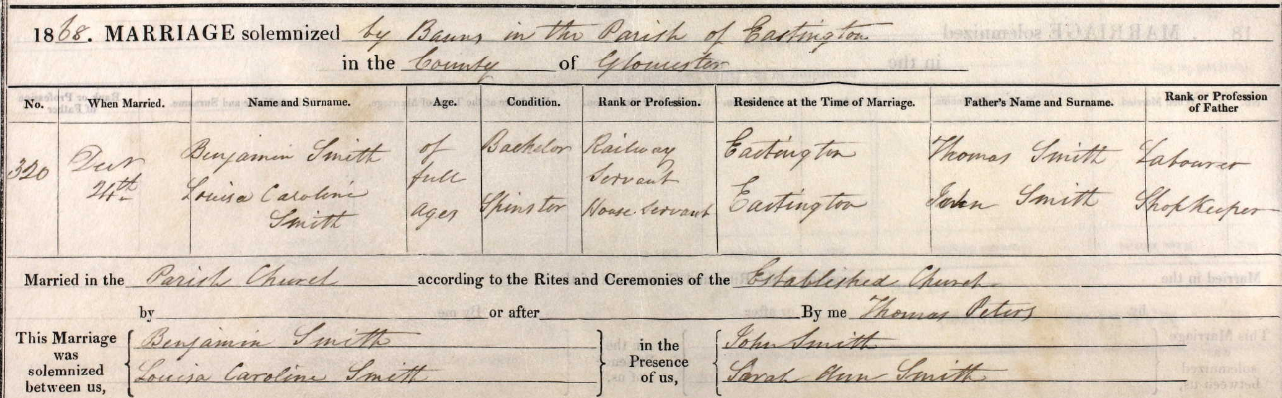
25/11/1875 Death in a Signal Box. The report in The Gloucester Journal of Saturday 27th November, 1875, reads: A shocking case of sudden death occurred on the Midland Railway at Stonehouse on Thursday afternoon. A Pointsman named Benjamin Smith, who was stationed in the signal box near the Stonehouse goods station, had about two o’clock signalled through an up ballast train from Frocester, but a man going into his box a few minutes later found him quite dead, though in an upright position and with both hands still grasping the lever of the signal. In one hand was a piece of “waste” with which he had been polishing some of the metal work of the locking apparatus. The deceased had a few minutes before been talking to some men working near. He was a steady man, and had been in the employment of the Midland Company for several years. He leaves a wife (Louisa, aged 25) and four children. He was only 32, born at Hullavington, Wilts to an Agricultural Labourer father.
14/10/1878. Fall from train. A girl, H.B. Burner, fell from a train and was seriously injured.
1/5/1879 Shunting fatality. The victim was a Gateboy who had started work at Stonehouse, aged 14, on 16/10/1877 on 6 shillings/wk. The summary of the inquest on his death was published in The Gloucester Journal on 10th May, 1879 and reads: On Friday Mr Ball held an inquest on William Blick, a lad of 16, who was killed while engaged in shunting on the Midland railway at Stonehouse. He was caught between the buffers and died almost immediately. The verdict was “Accidental Death”.
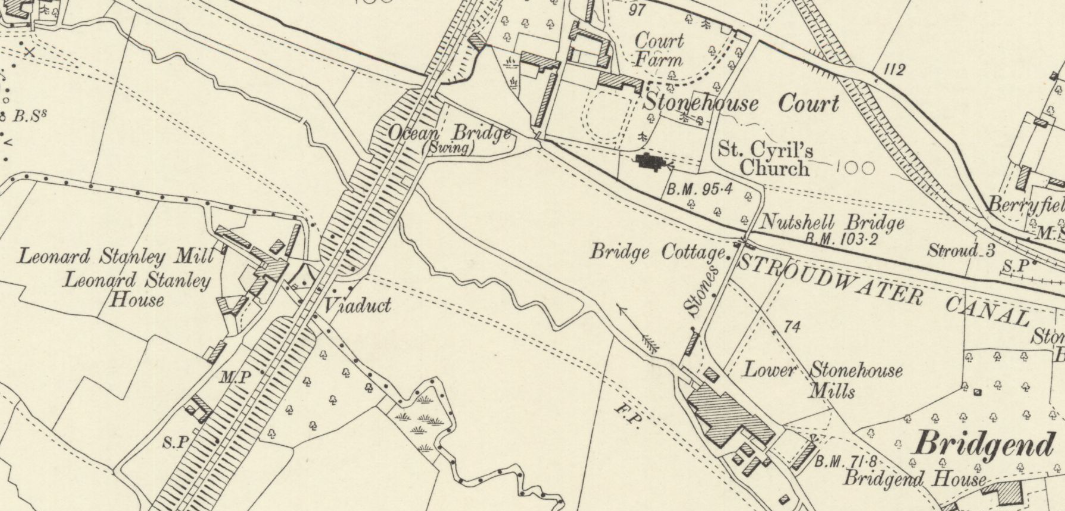
27/10/1882 Fall when working on viaduct. Frederick Davis, Bricklayer, “Head cut and shaken by fall from scaffolding when at work on viaduct”. This may be the same viaduct, over the River Frome, just south of Stonehouse station, that was the site of a fatality in 1913; see below.
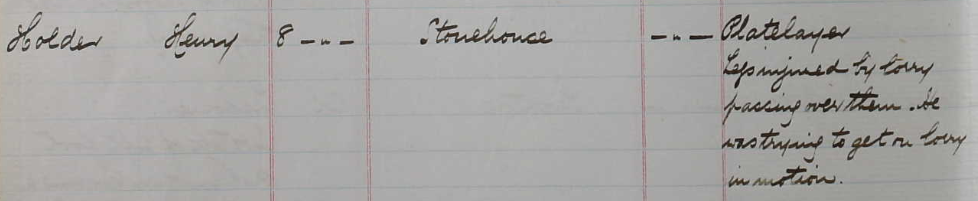
8/2/1884 Run over by lorry. Henry Holder, Platelayer “Legs injured by lorry passing over them. He was trying to get on lorry in motion”. At this date the vehicule must have been a steam lorry. Diesel and petrol engined lorries hadn’t yet been invented. See entry in the record below:
28/10/1885 Toe amputation. Osman Bendall, Platelayer, “Toe cut off by rail dropping on it.”
1/11/1887 Ganger Fatality. S. Hopkins, Ganger, “Knocked down and killed when walking his lengths.” The Railway Company paid £2-17-0 for funeral costs; see copy of record entry below.

20/10/1888 Bonkers Passenger. Mary Perkins, Passenger, “Entered a train at Gloucester which did not stop at Stonehouse. Jumped out and was injured.” In desperation passengers do wacky things. See extract from records below:

28/2/1889 Ankle sprain. Thomas Hancox, Labourer, “Ankle strained whilst working for Traffic Dept.”
10/5/1889 Ankle sprain. William Franklin, a Labourer, slipped on a stone and sprain his ankle when on duty.
22/4/1891 Foot v Lorry. Charles Price, Platelayer, “Right foot injured by lorry.”
22/5/1891 Head v Buffers. Henry Biggs, Goods Guard, “Head crushed between wagon buffers.”
13/5/1896 Killed by train. Thomas Witts, 2nd Ganger, “Fatal. Run over by Bristol Express.” See copy of entry in records below. Thomas was a local man, born at Hardwicke, and 46 when he died. He was married to Fanny, a wool cloth worker. The 1891 census lists him as a Platelayer, a term virtually synonymous with Ganger. The job involved being out on the tracks checking and maintaining their condition.

25/1/1897 Foot injured on truck. Edward Rums, Labourer, “Foot bruised by door of cattle truck.”
17/7/1900 Fall of timber. Albert Goodwin, role not given, “Crushed slightly by fall of timber.”
24/4/1901 Shoulder injury. John Freeman, Carpenter, “Shoulder injured by blow from passing engine.” We are not not told if he was working at the station or out on the line. There would be more woodwork to do at the station but if standing next to the tracks his shoulders would have be approximately level with the buffers of an engine.
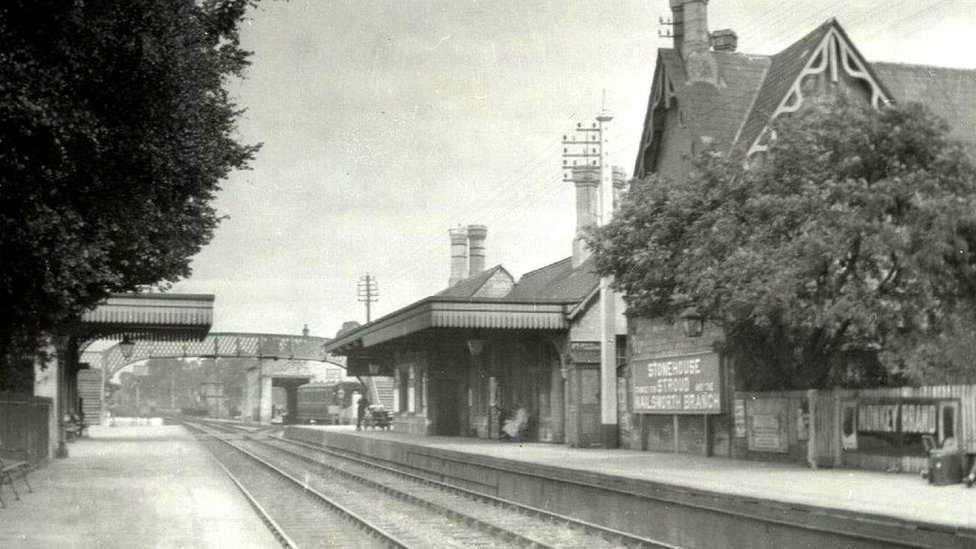
An accident had occurred at Stonehouse in 1871 due to narrowness of the platforms forcing workers on them into closer proximity to trains. On that occasion a worker was wheeling his mailbags in a barrow along the platform when the barrow was caught by an approaching train thrown around knocking the man against the engine. He died later from his injuries. However by 1901 the platforms should have been widened with the removal of the broad gauge tracks. For that accident report see https://www.railwaysarchive.co.uk/documents/BoT_Stonehouse1871.pdf
25/6/1903 Minor injury. Po Lovemore, Porter, “Bruised by Crane handle.”
30/9/1903 Fall. Frederick Horwood, 2nd Ganger, “Knee hurt by fall.” (near Stonehouse)
16/4/1905 Minor Injury. Carter [the word “Carter” is written in the name column in the record with the occupation box left blank. It is thus uncertain if Carter was his name or occupation]. “Thumb bruised between rail and wagon.” (near Stonehouse)
13/4/1913 Foreman Platelayer Killed at Stonehouse. This incident was reported in The Gloucestershire Echo published on Monday 14th April, 1913:
On Sunday morning a shocking fatality occurred at the Midland Railway at Stonehouse, the victim being Walter James Dangerfield, a foreman platelayer of Kings Stanley. The deceased, who was 36 years of age, left home at 5.30 on Sunday morning. His wife says he was quite well and just as usual. He proceeded to Stonehouse where with a gang of men he was engaged in relaying a portion of the main line. At 11.45 he left his companions for the purpose of inspecting the line between Stonehouse and Frocester Station. The up line from Bristol to Birmingham was in use, and on this Dangerfield was walking over the viaduct which is a quarter of a mile from Stonehouse Station, when Arthur Wotton, the driver of the express train from Birmingham noticed him. He sounded his whistle and shouted, but Dangerfield did not hear the warning and was struck in the back by the engine and killed, the driver being unable to pull up in time to save the collision. The train was immediately stopped and Police sergeant Frederick Townsend, who had witnessed the accident from the road, went to the unfortunate man’s assistance, but he had passed beyond human aid, his spine and skull having been fractured. Deceased was a steady, reliable workman, highly respected by all, and much sympathy is felt for the bereaved in the terrible blow that has befallen them.
The track that Walter was walking along would normally have carried trains coming towards him. However on this day the train was working wrong line and so approached from behind him; perhaps something he hadn’t anticipated or had forgotten. The 1911 census states that his wife was Sarah Elisa, a worker in cloth manufacturing, and the same age as Walter, and born at Leonard Stanley. At that time they had 3 children, aged 13, 11 and 10.
The Inquest and Verdict were reported in the Cheltenham Chronicle and Gloucestershire Graphic on Saturday 19th April, 1913. This expands on the information given in the first article:
At Stonehouse Midland Railway Station on Monday morning Mr A.J. Morton Ball held an inquest on the body of Walter James Dangerfield (36), a foreman platelayer, who was killed by an express train at Stonehouse on Sunday morning. Mr W. Langley-Smith attended on behalf of the National Union of Railwaymen to represent the bereaved family, and Mr J. Robinson, district traffic inspector, was present for the M.R. Company. Mr C. Alder was foreman of the Jury.
Sarah Elisa Dangerfield, of King’s Stanley, the widow – who was greatly distressed – gave evidence of identification. Her husband left home at 5.30 on Sunday morning to do some work near the station. He was in good health. By Mr Langley-Smith: His eyesight and hearing were good, and they both lived together perfectly happily.
Arthur Wetton, engine driver, of Derby, said on Sunday morning he was in charge of the train which left Gloucester at 11.20 in the morning. The train was 20 minutes late, and he had to stop at Standish in consequence of relaying work which was in progress and transfer to the up line. He first caught sight of the deceased about 80 yards from Beard’s Viaduct, at Stonehouse, when the train was travelling at about 20 miles per hour. The deceased was walking on the outside edge of the sleepers, and in the direction of Frocester. His mate, the fireman, sounded the Whistle, but Dangerfield took no notice. When near the viaduct deceased appeared to turn out from the metals and in again. Witness applied the brakes, and leaned over the side and shouted as loudly as he could, but deceased did not appear to take any notice. The head of the buffers struck deceased on the top of the left shoulder and “threw him into the air like being tossed by a bull.” He fell clear of the line. Witness pulled up in the length of five coaches, and went back to the deceased, who was dead.
By the Coroner: There was ample room for a man to stand between the viaduct wall and the metals without being in danger of injury from a passing train. Mr W. Langley-Smith: Was there any wind? – Witness: It was not rough. Replying to further questions by Mr Langley-Smith witness said he did not think deceased hesitated. It was impossible for witness to avoid the accident. He did all he could by sounding the whistle. A juror remarked that there was a large rushing stream of water under the viaduct which might have attracted the man’s attention. Answering the Coroner, witness said the deceased was walking very steadily.
Avery Wigginton, 64 Good Ale Street, Derby, the guard in charge of the train, said he heard the whistle sounded just after they left Stonehouse station, and, on looking out just as the train stopped, he saw the man lying on the side of the rails. He appeared quite dead. Witness sent Humphreys, the fireman, to the station for assistance, and on his return the train continued on its journey, the body being left in charge of P.S. Townsend. Everything possible was done to prevent the accident.
P.S. Townsend said he saw deceased walking down the line about 30 yards from the viaduct. Shortly afterwards witness heard the whistle of the train sounded persistently. He also heard shouting, and the wheels of the train grating the line. He ran from under the viaduct, and, on looking up on to the line, he saw deceased walking on what appeared to be the outside sleeper end. The driver was leaning over the engine shouting to the man. Witness also shouted, and as he did so the deceased made a half left turn, but unfortunately he turned into the engine, which struck him and “bowled him up like a ball” and tumbled outside the line.
The Coroner: Is there any special volume of water running under the viaduct? – Witness: Yes, and it causes a very deadening sound. Continuing, witness said after the accident he climbed up the bank and examined the deceased. He found that the spine was fractured, and there was a deep cut under the left eye and a severe scalp wound. The train was nearly stopped at the time of the collision.
Mr Langley-Smith: Have you know the deceased long? – Four years. He was a very steady man. Mr Robinson replying to Mr Langley-Smith, said the deceased was a very steady and most reliable man, and the company were sorry to lose so good a servant. The Coroner: The man was in the execution of his duty where he was? – Mr Robinson: Yes – He added that he thought the man must have forgotten himself entirely.
The jury returned a verdict of accidental death, and attributed no blame to anyone.
14/5/1914 Fall. Arthur Edward Thomas, Labourer, “Ribs injured by fall.”
17/10/1917 Finger injury. G. Messenger, Labourer, “Finger crushed between 2 rails.”
25/1/1919 Leg v Sleeper. J. Dangerfield, Ganger, “Leg strained by fall on sleeper.”
30/8/1920 Back injury. G. Messenger, Underman, “Back injured by fall of rail whilst pulling sleeper out of line.” It seems likely that this is the same chap that had his fingers crushed 3 years earlier.

June 1886 – an exhausted career railwayman.
This was not a mishap but is a story worth telling I think. There is poignant and rather sad note in the Midland Railway employment records concerning a Ganger, William Love. The entry is attributed to Stonehouse Station which was thus probably his work base.
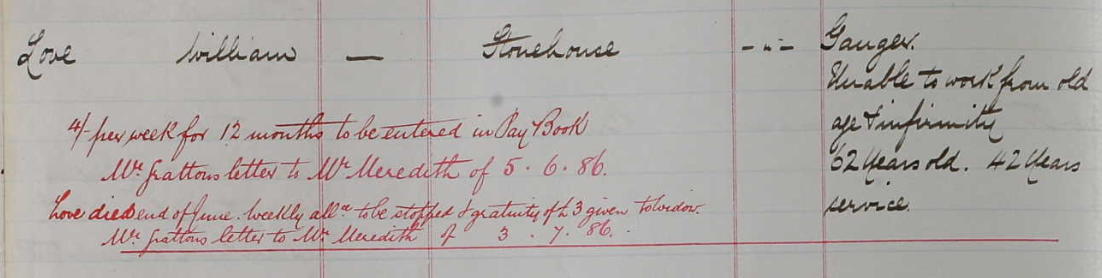
In 1886 there was an “Application for Relief” as, aged 62, and after 42 years of service with the company he was unable to work due to old age infirmity. On 5th June authority was given to pay 4 shillings per week for 12 months. However William died at the end of that month and this payment was stopped and in its place a gratuity of £3 was given to his widow. Perhaps this shows some compassion on the part of the Railway Company. There is some recognition of his long service and he was not just dismissed out of hand for being incapable in his job. Some flexibility and humanity seems to have been shown to him and his widow, if limited by today’s standards.
The 42 years of service indicates that he started with the railway in 1844 which was the year the line from Gloucester to Bristol opened. William was born in Trowbridge, Wiltshire, and was baptised there on Boxing Day 1825. His father was also called William, a “Labourer”, and his mother was Sarah. It seems likely that he moved to find work on the railway; he was 19. He met a local girl called Hester Jones, 2 years his elder and born at Berkeley. They were married on the 6th April 1845 at Kingswood, near Wotton-under-Edge. Both were illiterate and signed the marriage certificate with an “X”. Perhaps they initially lived at Berkeley as their first child, David, was born there in 1846. However by the 1851 census they were living at Leonard Stanley where they had 7 further children; several of who became Woollen Cloth Workers which was a prominent industry in the area at that time. William was buried at Leonard Stanley parish church on 2nd July 1886. It is likely that William knew S. Hopkins, a fellow Ganger based at Stonehouse, and mentioned above, who was knocked down and killed by a train whilst walking his stretch of line in 1887.
 oldrailwaystuff